Ukraine’s Gripen Deal Changes the Air War — But Not Overnight

– 1 min read

Ukraine and Sweden have moved from political promise to defense architecture.
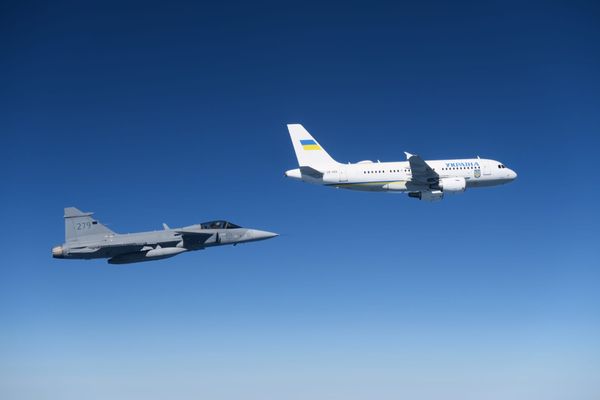
In Uppsala, President Volodymyr Zelenskyy and Swedish Prime Minister Ulf Kristersson initiated a major agreement for Ukraine to acquire up to 20 new Gripen E/F fighter jets, financed with €2.5 billion from the EU-backed Ukraine Support Loan. Sweden is also expected to donate 16 older Gripen C/D aircraft as bilateral military assistance.
The headline is powerful. The timeline is more complicated.
Zelenskyy said Ukraine expects “the first capabilities” within ten months. But public reporting indicates the donated C/D aircraft are expected to begin arriving in 2027, while the newer E/F jets are targeted for delivery by 2030. That means this is not an instant replacement for Ukraine’s urgent air defense gap. It is a medium-term air force strategy.
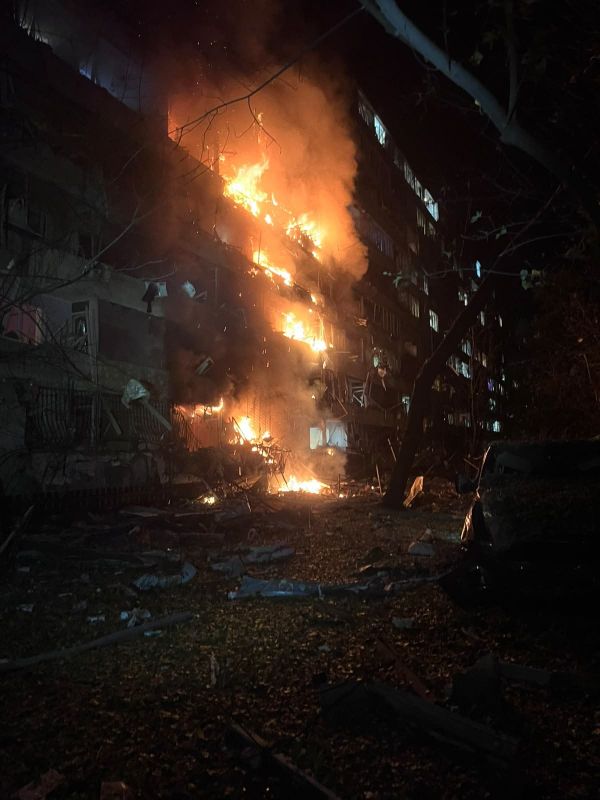
That matters because Russia is attacking now. Ukraine is still asking the United States for more Patriot interceptors after recent Russian missile and drone barrages exposed the limits of existing defenses.
But strategically, the Gripen deal is significant. Gripens are designed for fast turnaround, dispersed operations, and lower-maintenance conditions — exactly the kind of aircraft Ukraine needs for a long war where airfields, logistics, and supply chains are constantly under threat.
This is the bigger story: Europe is no longer only donating what it can spare. It is beginning to build Ukraine into Europe’s forward defense industry and air defense ecosystem.