Europe Moves to Slow the Surge of Cheap Chinese Imports
The EU is introducing a €3 customs charge on low-value imports as officials seek to curb a surge in Chinese e-commerce shipments and level the playing field for European retailers.
The European Union will begin applying a temporary €3 customs duty to low-value imports of up to €150 from July 1, ending the long-standing "de minimis" exemption that allowed such goods to enter the bloc without customs duties. The temporary measure will remain in place until July 2028, when a broader customs reform is expected to introduce standard customs procedures for these shipments.
The decision comes after a dramatic surge in low-value imports. According to the European Commission, the number of parcels entering the EU increased from 1.3 billion in 2022 to 5.9 billion in 2025, with roughly 90% originating from China. Officials argue that the exemption has created unfair competition for European retailers while overwhelming customs authorities.
Commission officials also cited consumer safety concerns. EU inspections found that approximately 60% of tested products imported through these channels failed to comply with EU regulations, particularly in categories such as cosmetics, toys, food supplements and personal protective equipment.
The measure follows increased scrutiny of Chinese online marketplaces including Shein and Temu, which have rapidly expanded across Europe by shipping inexpensive products directly to consumers.
Meanwhile, British retailers are urging the UK government to accelerate similar reforms by closing its own low-value parcel exemption earlier than currently planned, arguing that domestic businesses remain at a competitive disadvantage.
Context
The "de minimis" exemption was originally introduced to reduce administrative burdens by allowing very low-value imports to cross borders without formal customs duties.
That system functioned in an era when cross-border e-commerce represented only a small share of retail activity. Today, however, digital marketplaces have fundamentally changed global trade.
Platforms such as Shein and Temu built business models around shipping millions of individual parcels directly from manufacturers to consumers, avoiding many of the costs traditionally faced by retailers importing goods in bulk.
European policymakers argue this created multiple challenges simultaneously:
European retailers compete against products entering without comparable customs treatment.
Customs agencies face billions of additional individual shipments requiring oversight.
Consumer protection authorities report high levels of non-compliant products entering the market.
Local shopping districts have experienced declining foot traffic as more purchases move online.
The decision also comes as TikTok Shop continues expanding across Europe.
TikTok says more than 200 million Europeans use the platform every month, while over 100,000 European businesses already sell through TikTok Shop across its existing EU markets. The company reports triple-digit growth in daily gross merchandise value across several European countries and has recently expanded into additional EU markets while introducing cross-border selling tools.
The EU's customs reform therefore arrives at a moment when commerce is increasingly tied not only to logistics networks, but also to social media ecosystems that combine entertainment, advertising and purchasing within the same platform.
ONEST Take
Facts tell you what happened. ONEST Take connects the dots and explains why it matters.
🎧 Listen | 📖 Read
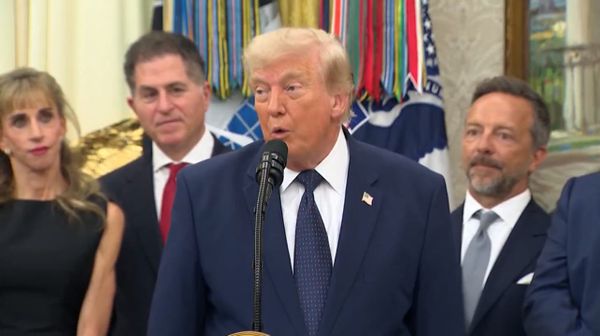
When President Donald Trump moved aggressively to raise tariffs and eliminate the U.S. de minimis exemption, much of the world's attention focused on the impact on U.S.-China trade.
🎧 Listen
ONEST Take: Europe Moves to Slow the Surge of Cheap Chinese Imports