Senior U.S. officials have begun privately reading out the terms of a draft memorandum of understanding with Iran after days of secrecy, but the central questions remain unresolved: what Iran is actually required to do, how compliance will be verified, and who stands to benefit from the economic opening attached to the deal.
The draft agreement is expected to be signed Friday in Switzerland, though President Donald Trump has already cast uncertainty over whether the signing will happen.
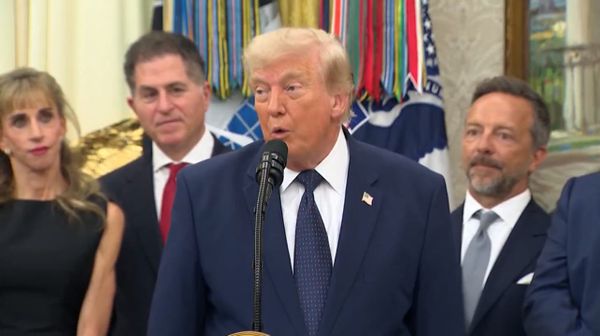
“You never know with deals,” Trump said Wednesday.
That uncertainty matters because this is not a final peace agreement. It is a memorandum of understanding — a political framework, not a binding treaty — designed to stop the fighting, reopen the Strait of Hormuz, and create a 60-day window for further nuclear negotiations.
According to officials who described the draft, the agreement includes a new minimum standard for downblending Iran’s highly enriched uranium and language on preserving Lebanon’s “territorial integrity” following Israeli attacks against Hezbollah in Lebanese territory.
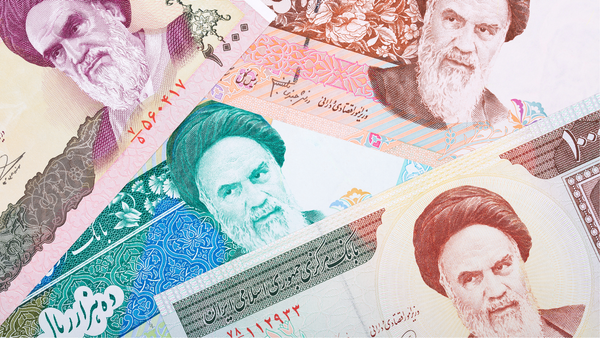
In exchange, the United States would waive, but not eliminate, some sanctions against Iran once the deal is signed. Iran would also be allowed to sell oil more freely during the negotiation period.
That is the first major issue.
The deal appears to give Iran significant economic relief immediately, while pushing the hardest obligations into future talks.
The Strait of Hormuz would reopen, but toll-free passage is reportedly guaranteed for only 60 days. Sanctions would be waived, not permanently lifted, but the waivers would still give Iran access to oil revenue at the start of negotiations. A larger path toward sanctions relief and reconstruction investment is also left open, with reports describing a possible $300 billion package tied to future progress.
The Trump administration says the U.S. would not pay that money. Vice President JD Vance has suggested Gulf Arab nations would invest it. But Trump himself appeared to be guessing during his G7 press conference whether Gulf countries would actually be interested. For now, the financing is an assumption, not a commitment.
But that raises another question: why would Gulf states finance Iran’s reconstruction after a war in which Iranian attacks damaged oil facilities and regional infrastructure?
And if the money is structured as commercial investment, the next question is not only who pays. It is who profits.
Which companies receive contracts? Which sectors are opened? Which intermediaries are positioned to benefit? And how does this intersect with Trump’s own record of mixing foreign policy, commercial diplomacy, and personal political interests?
The Lebanon clause is equally fragile.
Iran has said Lebanon must be included in the ceasefire. Israel has already signaled it does not view itself as bound by any arrangement that limits its ability to strike Hezbollah. That means one of the most sensitive provisions in the agreement may depend on actors who either are not party to the deal or are already disputing its meaning.
The nuclear provisions are also limited.
Iran would reportedly reiterate that it will never build a nuclear weapon, but it made a similar commitment in the 2015 nuclear deal. What matters now is not the promise itself. It is the mechanism: inspections, timelines, stockpile limits, enforcement, snapback provisions, and consequences for noncompliance.
Those details are still unclear.
That is why the MOU is politically explosive. Trump withdrew from the 2015 Iran nuclear deal by calling it the “worst deal ever.” Now his administration is moving toward an interim framework that appears to offer Iran early benefits while postponing the most difficult nuclear restrictions.
The deal may still prevent a wider war. It may reopen one of the world’s most important energy corridors. It may lower pressure on global oil markets. Those are real outcomes.
But it is not yet the deal Trump is selling.
It does not permanently settle Iran’s nuclear program. It does not clearly define enforcement. It does not resolve Lebanon. It does not guarantee long-term free passage through Hormuz. It does not explain who funds Iran’s reconstruction. And it does not answer who benefits from the commercial investment attached to the package.
ONEST Take
The central question is no longer simply whether the U.S.-Iran deal gets signed.
It is what Iran is expected to do in return, how anyone will verify compliance, and who profits from the economic opening built into the arrangement.
A ceasefire can stop the shooting. A memorandum can create diplomatic space.
But if the agreement gives away leverage now and leaves enforcement for later, then the real deal is not the one announced in Switzerland.
It is the one negotiated afterward — by governments, energy markets, Gulf investors, and the companies waiting behind them.