G7 Day 1: Canada Moves Toward Europe, Ukraine Back on the Agenda, and the Middle East Deal Looms Over Évian

– 3 min read

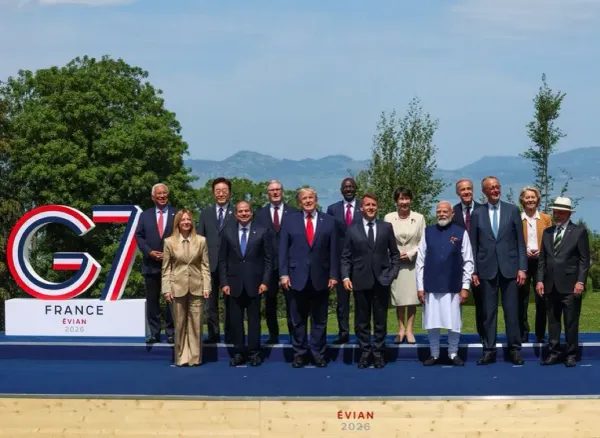
The first full day of the 2026 G7 Summit in Évian showed three major storylines moving at once: Canada’s deeper turn toward Europe, Ukraine’s return to the center of the agenda, and the unresolved questions surrounding the reported U.S.-Iran deal.
For Canada, the message was clear: Prime Minister Mark Carney is not waiting for the future of North American trade or U.S. policy to stabilize. He is building alternatives.
In one meeting after another, Canada positioned itself inside a broader network of European and Indo-Pacific supply chains: defense cooperation with Italy and Korea, critical minerals stockpiling with Italy and Korea, energy and trade talks with India, and investment and infrastructure discussions with the UAE. That follows Monday’s Canada-EU announcement on the first Canadian contract under the EU’s SAFE defense initiative and a new ocean-monitoring partnership.
The pattern is no longer theoretical. Canada is aiming to become harder to isolate by becoming more deeply embedded in allied defense, energy, critical minerals, data, and infrastructure systems.
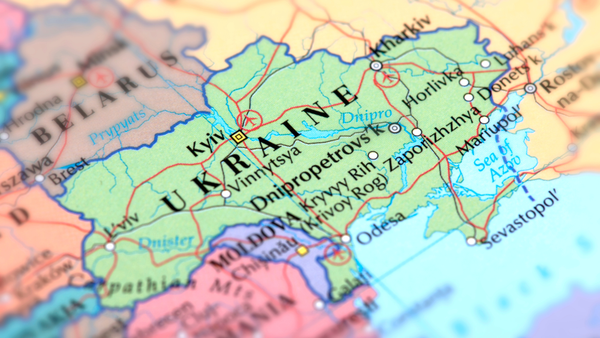
Ukraine, meanwhile, was unmistakably back at the center of the G7 table.
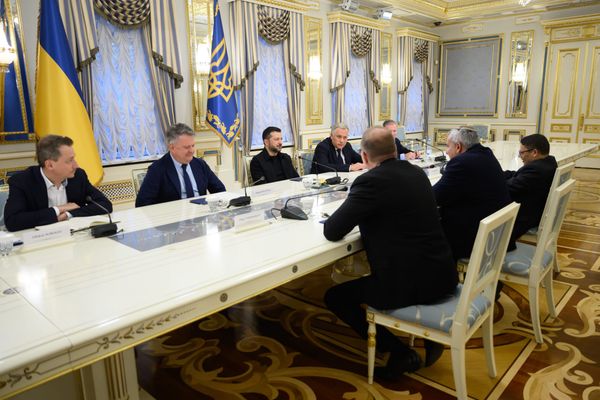
President Volodymyr Zelenskyy used the summit to push three urgent priorities: more air defense missiles, licenses to produce them, and stronger sanctions pressure on Russia. The Ukrainian readouts emphasized that partners discussed Patriot-related production, energy support for the winter, shadow-fleet sanctions, and additional pressure on Russia’s energy and financial sectors.
The political message was just as important as the military one: Ukraine and its European partners are trying to frame the war not as a frozen issue, but as a winnable and enforceable diplomatic priority. Zelenskyy’s meetings with the EU, Canada, the UK, Germany, Switzerland, Kenya, and the IMF all pointed in the same direction: Ukraine is linking battlefield resilience, European integration, sanctions, reconstruction, and financial stability into one package.
The strongest line came from Carney, who said Ukraine will win and that Russia is not winning. That matters because the G7 discussion was not only about support for Ukraine. It was about whether allies still believe pressure can change Russia’s calculations.
The third major issue was the Middle East.
The reported U.S.-Iran agreement entered the summit before its text has been released, which makes the politics unusually fragile. Canada’s readout after Carney’s meeting with UAE President Sheikh Mohamed bin Zayed explicitly recognized the newly signed agreement between the United States and Iran and linked it to the need for a durable resolution of hostilities in the Middle East, including Lebanon.
That wording matters.
The Iran deal is not being treated only as a nuclear or sanctions file. It is already being read through the region: the Strait of Hormuz, oil exports, Lebanon, Israel’s position, Gulf investment, and the possibility of a wider economic package around Iran.
But the central problem remains unresolved. If the agreement is a political framework rather than a binding deal, and if Israel has already signaled it will not be bound by terms it did not sign, then the question is not simply whether Washington and Tehran can sign it. The question is whether the deal can survive the actors outside the room.
Day 1 of the G7 was not defined by one headline. It was defined by a shift in architecture.
Canada is moving closer to Europe because it sees the risks of relying too heavily on Washington. Ukraine is pushing allies to treat the war as still winnable, not merely manageable. And the Middle East deal is arriving with major unanswered questions about enforcement, Lebanon, Israel, sanctions, and who profits from the economic framework around Iran.
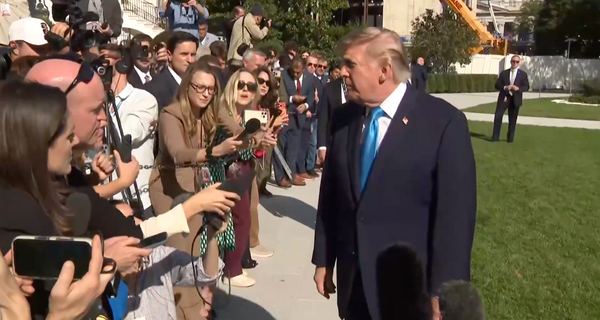
The summit’s first day therefore exposed the real tension of this G7: allies are trying to build structure around a world in which U.S. policy under Trump is powerful, unpredictable, and increasingly transactional.
That is why Évian matters.
The formal statements are about unity. The deeper story is about countries preparing for instability — and trying to make sure they are not caught alone when it comes.