U.S.-India Ties Are Warm at the Top, Tense at the Border.

– 1 min read

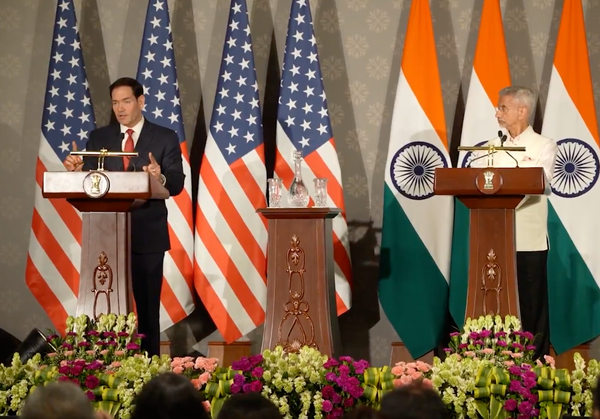
Secretary of State Marco Rubio’s visit to India was meant to reinforce one of Washington’s most important strategic partnerships.
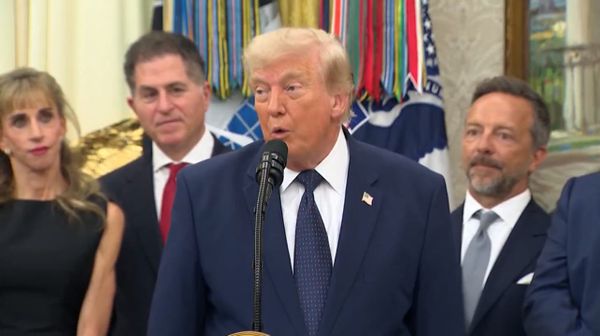
The optics were warm. Trump called into the U.S. Embassy’s Freedom 250 Independence Day reception in New Delhi and praised India and Prime Minister Narendra Modi, saying the United States had “never been closer to India” and that India could count on him.
Rubio also emphasized cooperation with India on strategic priorities, including defense, energy, trade, and regional security. But the trip came against the backdrop of U.S. immigration restrictions, visa concerns, tariffs, and unease in India over Trump’s approach to Pakistan and China.
The tension became visible when Rubio was asked about hostile and racist comments toward Indian immigrants in the United States. He responded that every country has “stupid people” who make “dumb comments,” while insisting the United States remains welcoming and that visa changes are not aimed specifically at India.
That answer may have been meant as reassurance. But it also showed the contradiction at the center of the relationship.
Washington wants India as a strategic partner, a counterweight to China, a technology partner, and a democratic ally. But immigration politics and visa restrictions are making many Indians feel less welcome in the United States.
ONEST Take:
America is telling India it matters. Its visa system is telling many Indians something else.
And India has options.
That is what makes this relationship so important — and so delicate. India is not simply moving “toward” Washington. It is balancing Washington, Moscow, Beijing, BRICS, and its own ambitions as a major power.
The U.S.-India relationship may be warm at the leadership level, but it is increasingly tense where people actually experience it: visas, mobility, and belonging.