U.S.–Armenia Sign Peaceful Nuclear Cooperation Agreement
The agreement does not authorize weapons development or military enrichment. It enables cooperation on civilian nuclear energy.

– 1 min read

The agreement does not authorize weapons development or military enrichment. It enables cooperation on civilian nuclear energy.

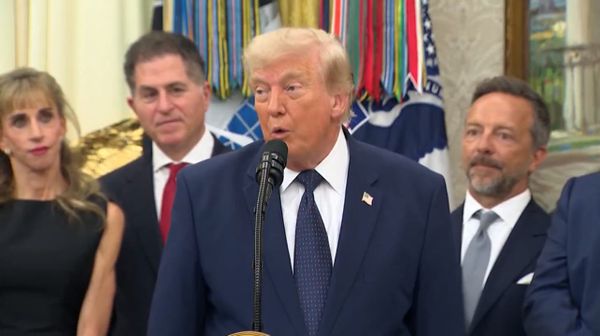
During a diplomatic visit to Yerevan, U.S. Vice President JD Vance and Armenian Prime Minister Nikol Pashinyan signed a peaceful nuclear cooperation agreement between the United States and Armenia.
The agreement establishes a framework for civilian nuclear energy cooperation, covering nuclear safety, regulatory standards, technology collaboration, fuel supply, and long-term infrastructure planning. It applies exclusively to non-military uses of nuclear technology.
During the visit, Vice President Vance said the cooperation framework could support up to $9 billion in U.S.–Armenia economic activity over time. This figure reflects the potential scale of U.S. commercial exports, energy technology, fuel supply, and long-term maintenance contracts — not a direct government cash transfer.
Armenia is not a nuclear-armed state. It is a signatory to the Nuclear Non-Proliferation Treaty as a non-nuclear-weapon country and does not possess nuclear weapons.
Armenia currently operates the Metsamor Nuclear Power Plant, a civilian nuclear power station that provides a significant share of the country’s electricity. As the plant ages, Armenia is assessing long-term energy security and modernization options, including potential future civilian projects.
The agreement does not authorize weapons development or military enrichment. It enables cooperation on civilian nuclear energy under international safeguards and oversight.
In short: this is a technical, energy-focused agreement tied to long-term infrastructure and commercial cooperation — not a military or weapons initiative.