U.S. Announces New Tariffs on 14 Major Trading Partners, Including China and the EU

– 1 min read

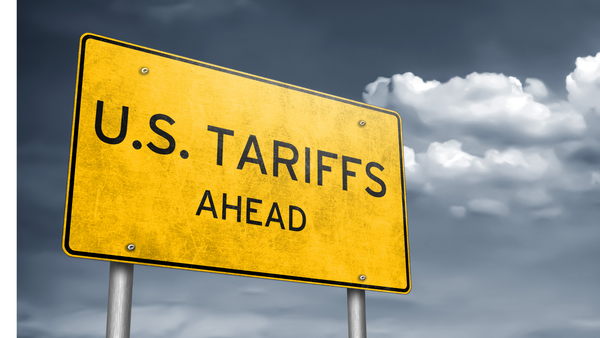
The Trump administration announced a new round of proposed tariffs on 14 major trading partners Wednesday, targeting China, the European Union, Japan, India and several other economies over alleged “unfair industrial practices”.
The measures follow an eight-month investigation by the Office of the United States Trade Representative (USTR) into what Washington describes as “structural excess capacity” — government policies and subsidies that encourage production beyond market demand, allowing cheaper exports to compete with American manufacturers.
The proposed tariffs target China, Bangladesh, Cambodia, the European Union, India, Indonesia, Japan, South Korea, Malaysia, Singapore, Switzerland, Taiwan, Thailand and Vietnam.
China faces the highest proposed duties, with an additional 20% tariff on certain goods potentially bringing combined rates to 45%. Existing trade agreements would limit the application of some new tariffs, including a 15% cap for the EU, Japan, South Korea and Taiwan.
Mexico and Norway, also investigated, are not included in the current tariff proposals.
The announcement represents another attempt by the administration to rebuild its tariff framework after the U.S. Supreme Court ruled in February that President Trump could not use emergency economic powers to impose sweeping import duties.
This time, Washington is relying on Section 301 of the Trade Act of 1974, which permits trade measures following investigations into unfair foreign practices.
The tariffs are not yet in effect. The proposals must undergo public consultation and hearings, potentially delaying implementation until January 2027.
The announcement also comes ahead of the December G20 summit in Miami and the January 10 expiration of the current U.S.-China trade truce.
The bottom line: Washington is pursuing a new legal route to restore trade barriers while using the threat of additional tariffs as leverage ahead of G20 negotiations in Miami.
The announcement comes on the same day that U.S. inflation was reported at 3.8%, up from 3.6% in September, with core inflation reaching 3.3%. Additional tariffs risk adding further pressure to import costs and consumer prices at a time when inflation is already well above the Federal Reserve’s 2% target.