The Brief: Iowa's Urgent Safety Alert, Washington's Priorities & Ukraine's Expanding War

– 4 min read

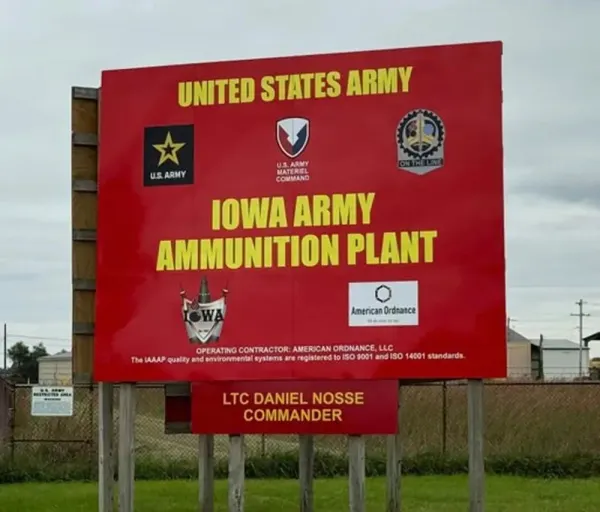
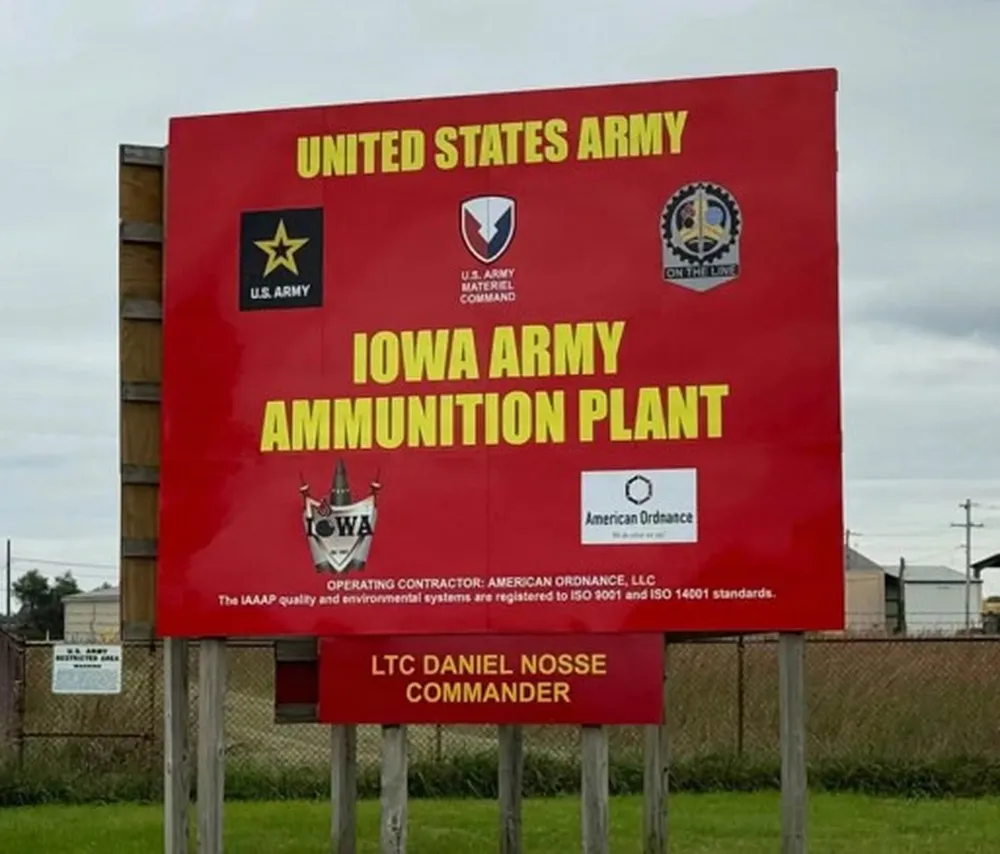
Tomorrow morning, the U.S. Army plans to detonate more than 9,700 pounds of deteriorating lead azide at the Iowa Army Ammunition Plant in Middletown. The operation is intended to prevent an uncontrolled explosion, but it also raises concerns about the potential release of toxic lead particles into surrounding communities.
Our priority tonight is making sure residents know what is happening, what precautions to take, and what assistance is available.
The detonation is scheduled for approximately 9 a.m. Central on Wednesday, November 25, subject to weather and safety conditions.
The Army recommends temporary relocation for Middletown residents and those in a designated area extending southwest of the installation. FEMA is providing eligible residents with transportation, temporary lodging, meals and other assistance.
For residents who remain in potentially affected areas, official guidance includes staying indoors, closing windows and doors, and preventing outside air from entering ventilation systems. Children are particularly vulnerable to lead exposure.
Please read and share our public service report:
 Olga Nesterova
The article brings together the Army's announcements, safety precautions, projected impact areas and resources available to affected residents.
This is not about creating panic. It is about making sure people have the information they need to prepare.
Official resources: U.S. Army public safety advisory | Latest Army maps and notifications | FEMA: 1-800-621-3362
Missiles, Microchips & Some Very Awkward Questions
13 minutes. Actual footage, original sources and the connections worth examining.
Ukraine is waiting for Patriot interceptors as American missile inventories face growing pressure. German Chancellor Friedrich Merz revisits NATO's 2008 decision on Ukraine, while Petro Poroshenko warns about the consequences of territorial concessions.
Meanwhile, Singapore's disclosures raise new questions about Nvidia-related chip transactions and U.S. enforcement. We examine the responses from DOJ and FBI officials, including the exchanges captured on video.
And in Washington, NATO Secretary General Mark Rutte prepares to meet President Trump as questions about American priorities continue.
Italian Foreign Minister Antonio Tajani spoke with his Ukrainian counterpart, Andrii Sybiha, expressing concern over Ukrainian military operations against Russian vessels in eastern Libya.
Italy warned against allowing the Russia-Ukraine war to spread into the Mediterranean and emphasized the importance of Libya's sovereignty and stability. Rome also reaffirmed its support for Ukraine's defense and a just, lasting peace.
Ukraine has defended its operation as lawful self-defense. The incident raises difficult questions about the geographical reach of the conflict and the position of countries hosting Russian military assets.
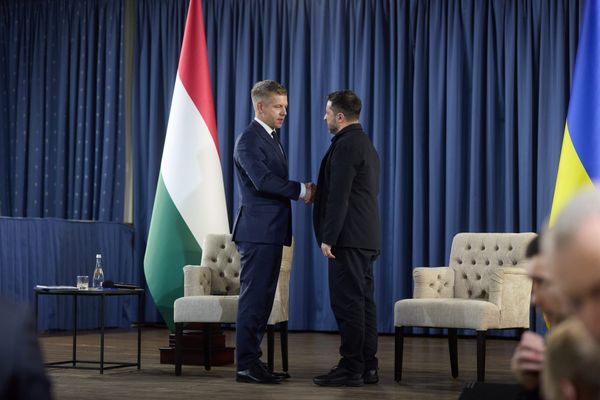
Ukrainian President Volodymyr Zelenskyy welcomed Hungarian Prime Minister Péter Magyar to Zakarpattia for talks on energy, infrastructure, trade, minority rights and Ukraine's European integration.
The leaders discussed gas and diesel supplies, railway connections between Kyiv and Budapest, border crossings, agricultural trade and humanitarian demining.
Magyar condemned Russia's aggression and affirmed Ukraine's sovereignty. Zelenskyy emphasized the importance of relations based on mutual respect and Hungary's support for Ukraine's path toward the European Union.
The two leaders also paid tribute to fallen Ukrainian defenders in Uzhhorod.
Russian aircraft near South Korea: Seoul reported that several Russian military aircraft entered its air defense identification zone over international waters. South Korea clarified that its territorial airspace was not violated.
Nuclear weapons in space: German media reported intelligence assessments indicating that Russia could be preparing a nuclear-armed satellite. The claims warrant close scrutiny and remain distinct from a confirmed launch.
The human cost of war: A new estimate reported by The New York Times puts Russian military deaths in Ukraine above 700,000. The figure is an estimate, not an independently verified official count.
Canada and the F-35: The Pentagon criticized Canada's defense spending and its review of F-35 purchases, highlighting growing tensions over "allied procurement" and burden-sharing.
U.S. military space capabilities: The Space Force continues building its Space Data Network through recent satellite launches, while defense companies are expanding high-resolution radar imaging capabilities.
Cybersecurity leadership: Axios reports that Director of National Intelligence Jay Clayton will also serve as acting national cyber director while the Senate considers a permanent nominee.
Iran sanctions: Washington announced new measures targeting entities and individuals associated with Iran's shadow banking networks.
The High Seas Treaty: The State Department welcomed a joint Chilean-Belgian bid to host the secretariat of the Biodiversity Beyond National Jurisdiction Agreement, while the United States continues assessing ratification.
Diplomatic security: More than 1,300 participants attended the State Department's Overseas Security Advisory Council annual briefing, focusing on public-private cooperation and security risks around the world.
As Thanksgiving approaches, I want to thank everyone who reads, watches and shares ONEST's reporting.
Our work is independently produced and publicly accessible because important information should reach the people who need it — not only those who can afford a subscription.
Today's Iowa report is one example. Sharing it may help someone understand an official warning, find assistance or take precautions before tomorrow morning.
If you value this kind of journalism, please consider supporting ONEST this Thanksgiving season. Every contribution helps sustain our reporting, explainers, interviews and public service coverage.
And whether or not you contribute, please share the Iowa article with anyone who may need it.
Thank you for being here.