The White House Builds a UFC Arena While Asking Federal Workers to Sign NDAs

– 1 min read

Two stories out of Washington today belong together.
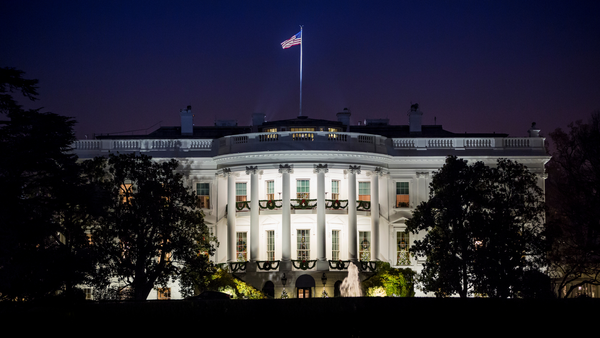
On one side, construction is underway on the White House South Lawn for a temporary UFC arena tied to President Trump’s 80th birthday and America’s 250th anniversary celebrations. The event is planned for June 14, with a scaled-down 5,000-seat temporary octagon arena, large screens, patriotic staging, and two major fights currently reported.
On the other side, the Trump administration is moving to roll out a governmentwide nondisclosure agreement for federal employees, framed as a way to "stop leaks to the press".
The Office of Personnel Management proposal would allow agencies to require current and future employees to sign an agreement not to disclose nonpublic, confidential, or proprietary government information. Violations could lead to discipline and potentially civil or criminal penalties, although critics argue the language is broad and could chill whistleblowing or protected speech. The proposal is subject to a 30-day public comment period.
The administration says the agreement does not create new restrictions and simply reinforces existing obligations. Critics, including civil liberties advocates and public-sector lawyers, say it risks creating fear inside the federal workforce and discouraging lawful disclosures to journalists, Congress, inspectors general, or watchdogs.
Put together, the symbolism is hard to miss.
A combat-sports spectacle is being built on the White House grounds while the federal workforce is being told to sign new secrecy agreements.
That is not just a contrast in style. It reflects a deeper governing instinct: maximum public theater at the top, tighter information control below.
The UFC event turns the presidency into a stage. The NDA proposal turns public service into a private-sector loyalty model.
ONEST Take:
The problem is not that governments protect classified or sensitive information. They must. The problem is when “confidential” becomes a broad category used to discourage scrutiny. A democracy needs secrecy for national security — but it also needs lawful dissent, whistleblowing, journalism, and internal accountability. When spectacle expands and transparency contracts, the public should pay attention.