The Hormuz Deal Is Not a Deal Yet
A possible U.S.-Iran framework over the Strait of Hormuz is now being floated through Iranian state media — but Washington is already pushing back.

– 2 min read

A possible U.S.-Iran framework over the Strait of Hormuz is now being floated through Iranian state media — but Washington is already pushing back.
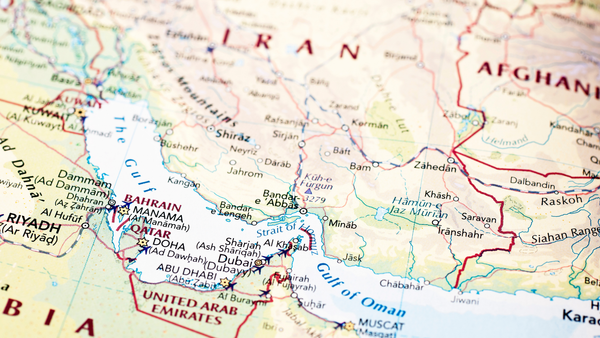
Iranian state television reported that a draft understanding could reopen commercial shipping through the Strait of Hormuz, lift the U.S. naval blockade, withdraw U.S. forces from the area, and potentially be formalized through a binding UN Security Council resolution if finalized within 60 days. Reuters later reported that the White House rejected Tehran’s version as false, while U.S. officials said talks remain inconclusive.
That distinction matters.
This is not a signed agreement. It is not even a mutually confirmed framework. It is a negotiation being shaped in public, through leaks, denials, pressure, and battlefield signaling.
The timing is especially important because U.S. forces also carried out what CENTCOM described as self-defense strikes in southern Iran after detecting threats near the Strait of Hormuz, including Iranian boats reportedly attempting to lay mines and missile-site activity that could threaten U.S. aircraft and warships. U.S. officials said the strikes were intended to protect American forces while maintaining restraint.
So the real story is not “peace is near.”
The real story is that diplomacy and military pressure are now happening at the same time, in the same narrow waterway, over the same strategic prize.
Iran wants sanctions relief, access to assets, and recognition of its role around Hormuz. The United States wants shipping reopened, Iranian military pressure reduced, and some assurance that Tehran will not use the strait as leverage again. But the nuclear issue remains unresolved, and that may be the biggest gap between the two sides. Reuters reported that Iran wants nuclear talks to follow the Hormuz track, while Washington is still insisting that Iran cannot acquire nuclear weapons.
There is also a UN angle.
China currently holds the rotating presidency of the Security Council for May and hosted a high-level meeting this week on the UN Charter and international law. Beijing is positioning itself as a defender of the UN-centered system, while also coordinating closely with countries involved in mediation. China’s foreign ministry said the meeting was intended to renew commitment to the UN Charter at a moment when world peace and security are under pressure.
That does not prove China is directing the Hormuz proposal. But it does make the diplomatic choreography worth watching.
Because if the final deal is eventually routed through the Security Council, this becomes more than a U.S.-Iran arrangement. It becomes a test of whether the UN system is being used to stabilize a conflict — or to bless a compromise that leaves major security questions unresolved.
ONEST Take:
The danger is not only that diplomacy fails. The danger is that diplomacy succeeds on paper while leaving the underlying leverage intact. A real deal would need clear verification, guaranteed freedom of navigation, limits on Iranian military activity around the strait, and a serious answer on the nuclear file. Anything less risks reopening Hormuz while preserving the same crisis for later.