Russian Missiles Still Run on Foreign Parts

– 1 min read

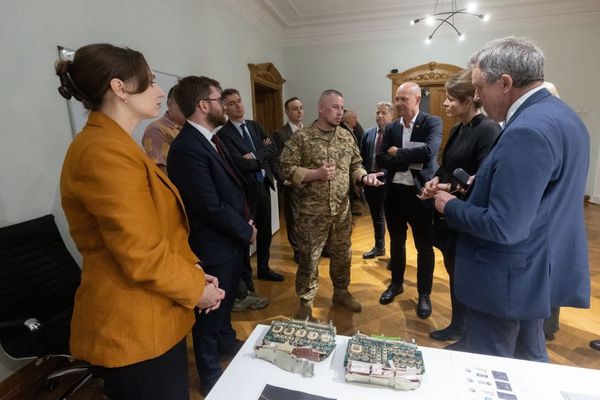
Ukraine showed European ambassadors components from Russian Zircon, Kalibr, and Kh-101 missiles, as well as Geran-2 drones used in Russia’s May 24 attack.
The finding is blunt: Russia’s war machine is still getting access to foreign-made technology.
According to Ukraine’s presidential office, some components came from Switzerland, Germany, the United States, the United Kingdom, Japan, China, and other countries — and some were manufactured this year. Ukrainian officials also showed boards from an Oreshnik missile containing Russian and Belarusian components, including parts linked to the Integral plant in Minsk.
This is where sanctions policy stops being abstract.
If Russia can still obtain fresh foreign electronics for missiles and drones, then the issue is not only whether sanctions exist. It is whether they are enforced, traced, and backed by consequences for intermediaries.
Ukraine is also calling for more action against Russia’s shadow fleet, which Kyiv says generated more than $101 billion in 2025 — money that helps fund the war machine.
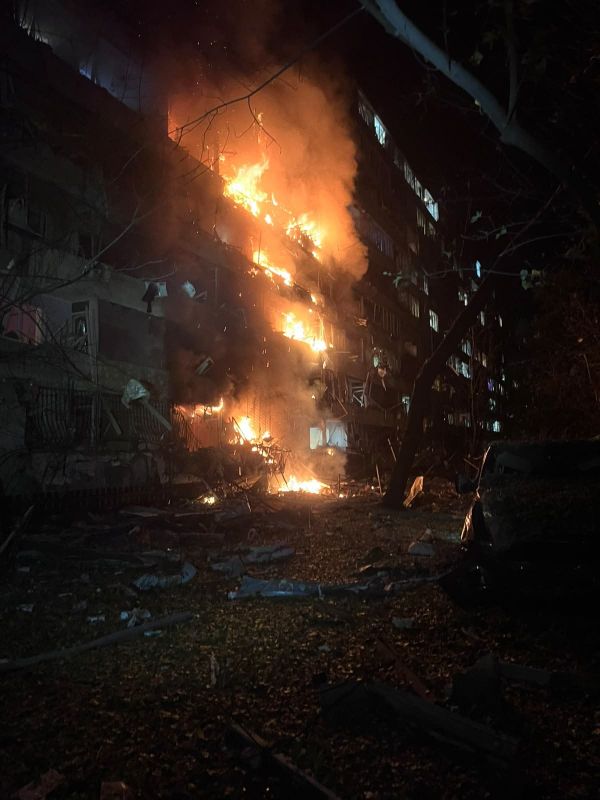
The UK made the same broader argument at the OSCE today: Russia’s war is failing militarily and economically, but when Moscow cannot achieve decisive battlefield results, it escalates attacks on civilians. The UK said Russia’s victory is “increasingly implausible,” citing unsustainable casualties, minimal territorial gains, economic strain, and continued attacks on Ukraine’s cities.
ONEST Take: Russia is not self-sufficient. Its war depends on loopholes, intermediaries, foreign electronics, oil revenue, shadow shipping, and Western hesitation.