Nine European Countries Push for Tougher Restrictions on Russian Tourist Visas

– 2 min read

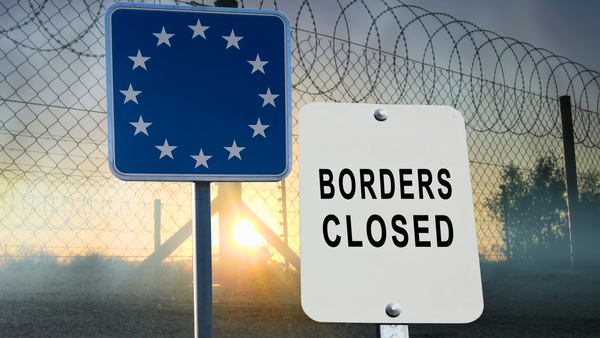
A group of nine European countries has called on the European Commission to introduce stricter and more uniform restrictions on tourist visas for Russian citizens.
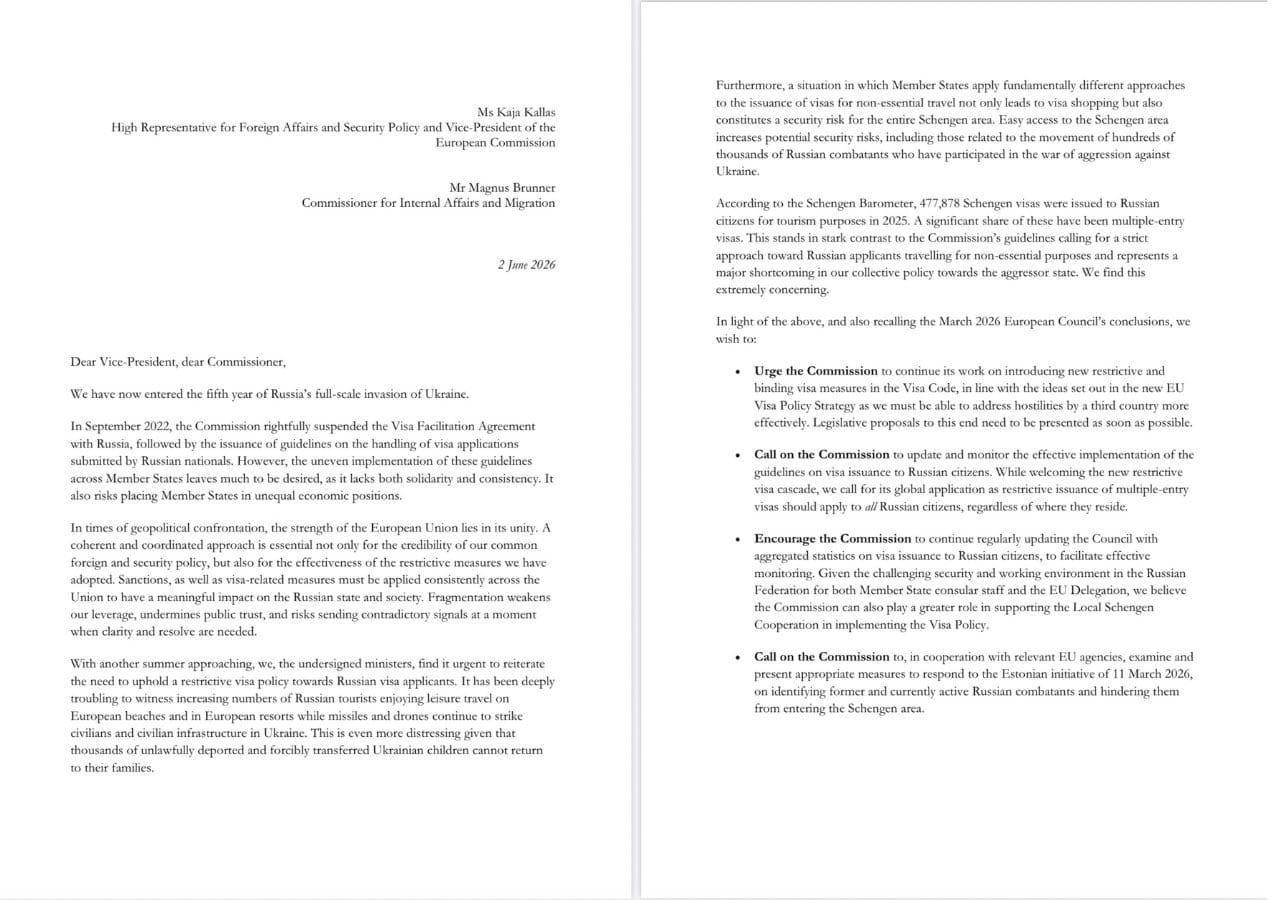
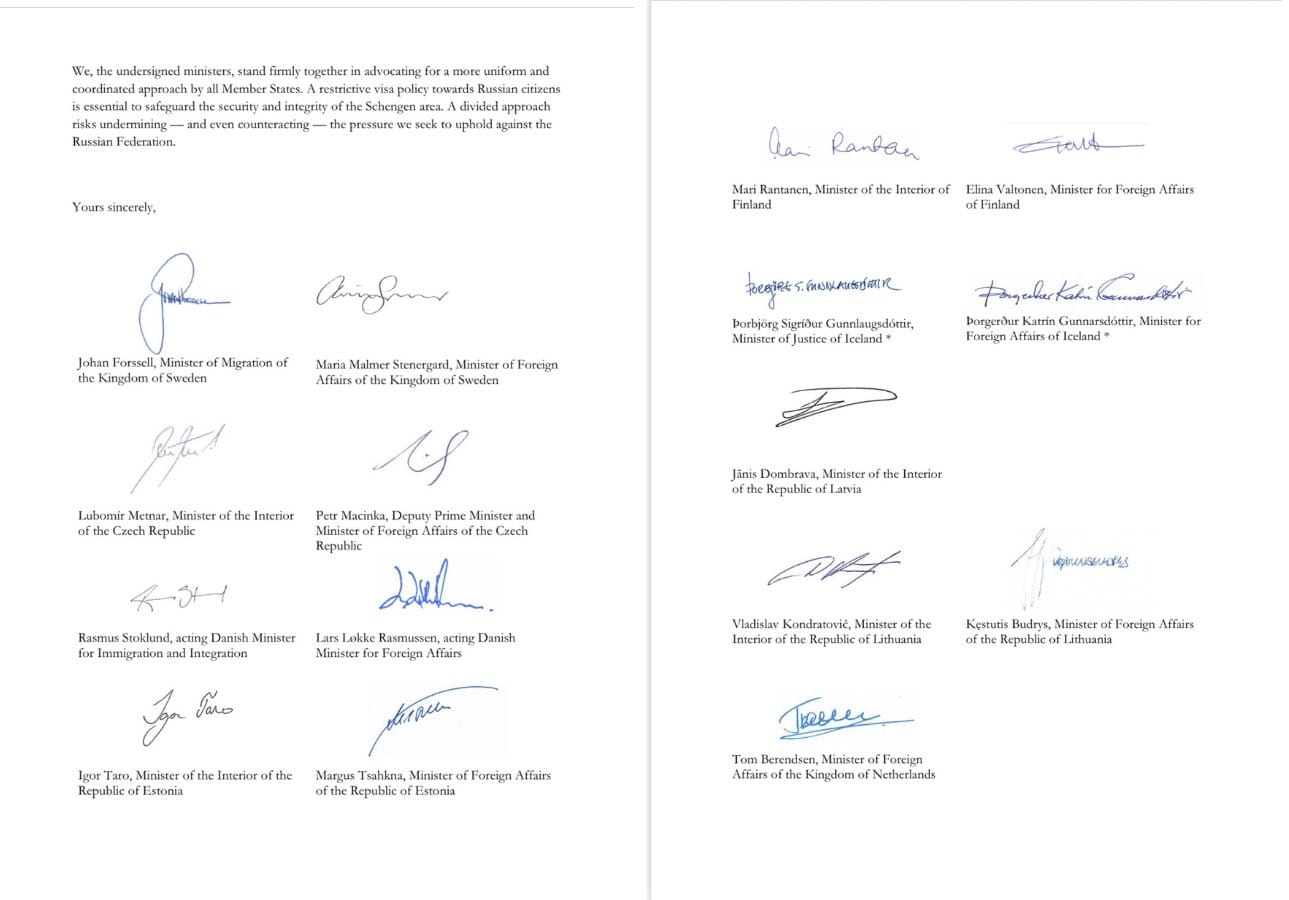
In a joint letter sent to EU foreign policy chief Kaja Kallas and Migration Commissioner Magnus Brunner, ministers from Estonia, Czechia, Denmark, Iceland, Finland, Sweden, Latvia, Lithuania, and the Netherlands argued that current visa policies are being applied unevenly across the European Union, creating security risks and undermining the bloc’s broader pressure campaign against Russia.
The ministers noted that nearly 478,000 Schengen visas were issued to Russian citizens in 2025, with a significant share being multiple-entry visas. They warned that differing national approaches encourage “visa shopping” and allow Russians denied entry by one country to seek visas from another.
The letter also raises security concerns linked to Russia’s war against Ukraine, including the movement of former Russian military personnel within the Schengen area. The signatories called for new binding EU-wide visa restrictions, tighter monitoring of visa issuance, and measures to identify and prevent current or former Russian combatants from entering the Schengen zone.
The proposal comes as the war in Ukraine is in its fifth year and reflects growing pressure from Northern and Eastern European states for a tougher common EU approach toward Russia.
This is not simply a visa policy debate.
The countries behind the initiative are largely those geographically closest to Russia and among the strongest supporters of Ukraine. Their message is that sanctions lose effectiveness when implementation varies across the EU.
The proposal also highlights a broader shift in European thinking: what was once viewed primarily as a tourism and migration issue is increasingly being treated as a security issue. Whether Brussels adopts the recommendations or not, the letter signals that some EU members believe the current balance between openness and security is no longer sustainable while the war continues.