The United States produces more oil and gas than any other country. It still depends on Canadian energy, minerals and infrastructure — and its latest tariffs reveal where economic coercion meets physical reality.
The United States is simultaneously pursuing two objectives that are becoming increasingly difficult to reconcile.
Washington wants defense equipment, critical minerals and essential components to come from the United States or trusted allies rather than potentially hostile suppliers. A new executive order directs defense contractors to map their supply chains down to the raw-material level, identify foreign vulnerabilities and qualify alternative sources.
At almost the same moment, President Donald Trump announced a 50% tariff on approximately $20 billion in selected Canadian goods, including products that had qualified for duty-free treatment under the United States-Mexico-Canada Agreement.
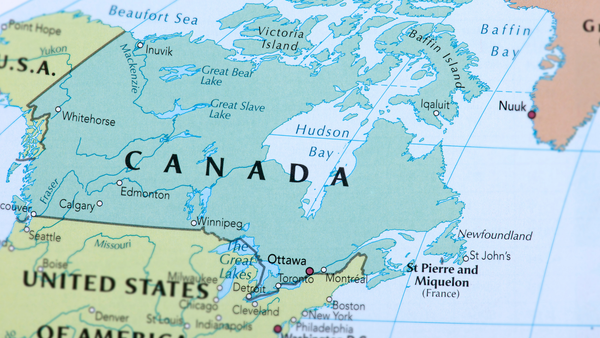
Canada is not merely another trading partner in this equation. It is part of the North American defense-industrial base, the United States’ largest source of imported crude oil and an important supplier of natural gas, electricity and critical minerals.
The administration excluded energy, potash, fish and critical minerals from the new 50% tariff. Those exemptions are not incidental details. They identify the points at which political pressure collides with physical dependence.
Washington can tax Canadian furniture, wine and hockey equipment. It cannot as easily replace the oil flowing into Midwestern refineries, the natural gas entering regional pipeline systems, the minerals required by defense manufacturers or the electricity transmitted directly into New York City.
The United States has abundant resources. What it does not have is a self-contained energy and industrial system capable of moving every required resource to every part of the country without Canada.