Hungary’s New Leader Cuts His Salary. The Real Test Is Corruption Reform.

– 1 min read

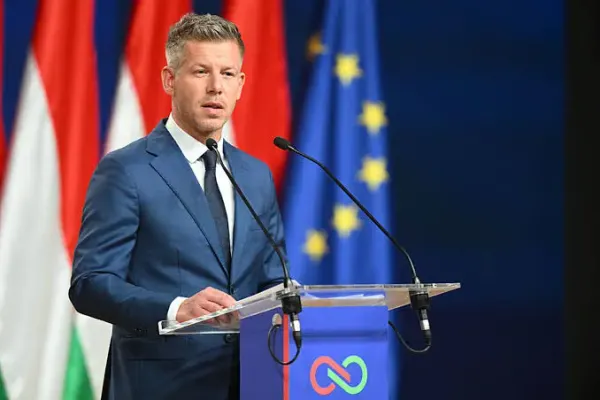
Hungary’s new Prime Minister Péter Magyar is moving quickly to signal a break from the Viktor Orbán era.
His government has pledged investigations into alleged corruption and abuse of power under Orbán, including six investigative committees, possible constitutional reforms, an eight-year prime ministerial term limit, and the dismantling of institutions associated with Orbán’s political control.
Magyar has also reportedly cut his own salary and reduced ministerial pay, presenting the move as an effort to rebuild public trust and set an example.
The symbolism matters.
After years of allegations involving patronage, state capture, political privilege, and democratic backsliding, a leader taking less money sends a clear message: public office should not look like private enrichment.
But symbolism is not reform.
Lower salaries do not automatically reduce corruption. In weak institutional systems, low public-sector pay can sometimes increase incentives for bribery if enforcement is weak. Countries that control corruption do not do so through optics alone. They rely on independent courts, transparent procurement, asset declarations, public audits, investigative journalism, independent prosecutors, and real consequences.
A pay cut can signal humility.
It cannot substitute for justice.
The real question is not whether Magyar earns less than Orbán.
The real question is whether Hungary’s institutions become stronger than any prime minister.
Corruption is not defeated by symbolism.
It is defeated when powerful people become prosecutable.