Europe Draws Its Red Lines Before the Next Round of Ukraine Talks
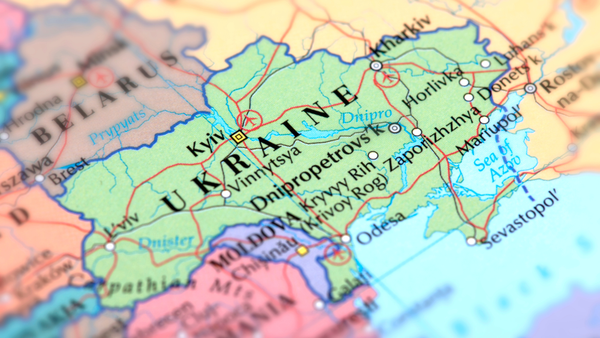
France, Germany, the United Kingdom, and Ukraine have outlined the conditions they believe must underpin any future peace settlement with Russia.

– 1 min read

France, Germany, the United Kingdom, and Ukraine have outlined the conditions they believe must underpin any future peace settlement with Russia.
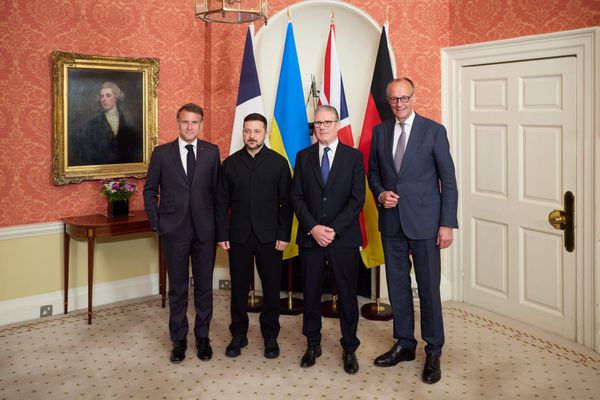
As world leaders prepare to gather for the G7 and NATO summits later this month, France, Germany, the United Kingdom, and Ukraine have issued a joint statement that offers the clearest indication yet of Europe’s position on how the war should end.
While framed as support for Ukraine, the statement is also a message to Moscow — and to Washington.
The four leaders reaffirmed their backing for Ukraine, called for an immediate ceasefire, pledged continued military support, and insisted that Europe’s security interests cannot be negotiated without Europe at the table.
France, Germany, the United Kingdom, and Ukraine have effectively outlined Europe’s conditions for ending the war.
The message is straightforward:
The statement also reveals something else: Europe is preparing for a long confrontation.
Alongside calls for peace talks, the leaders discussed expanding missile production, developing new strike capabilities, increasing military aid, and integrating Ukraine’s battlefield experience into Europe’s own defense planning.
In other words, Europe is supporting negotiations — but it is also preparing for the possibility that negotiations fail.
The timing is notable. With the G7 Summit, NATO Summit, and Coalition of the Willing meetings approaching, Europe is moving to present a unified position before any renewed diplomatic push involving Washington and Moscow begins.