Diplomacy, Explained: Starmer and Trump Are Already Talking About the Day "After Iran"

– 2 min read

A short statement from London may reveal more than it appears at first glance.
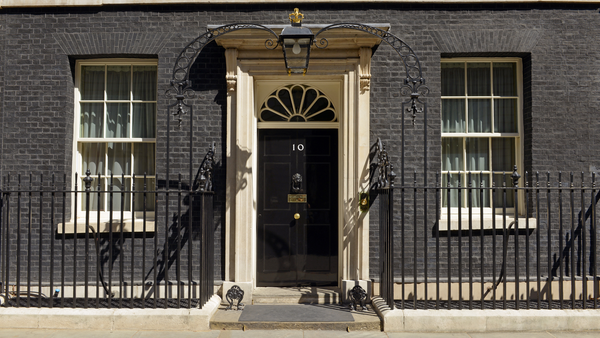
"The Prime Minister spoke to the President of the United States, Donald Trump, this afternoon.
The Prime Minister expressed his support for President Trump’s efforts to bring the conflict with Iran to an end, welcoming the progress made and underlining the importance of ensuring any deal delivers a durable and lasting peace.
The Prime Minister reiterated that the UK stands ready to support the implementation of any peace agreement and to work with international partners to ensure its success.
Both leaders agreed that freedom of navigation must be restored to ease the economic impacts felt globally.
They agreed to stay in close contact and looked forward to speaking at next week’s G7 summit."
After a call with U.S. President Donald Trump on June 13, British Prime Minister Keir Starmer publicly backed Trump's efforts to end the conflict with Iran and emphasized the need for a "durable and lasting peace."
At first glance, that sounds routine.
But diplomats often signal future priorities through carefully chosen language, and several phrases stand out.
The statement does not focus on military operations. Instead, it focuses on:
That suggests the United Kingdom is already looking beyond the immediate crisis and toward a negotiated settlement.
In diplomatic language, this is often called moving from conflict management to conflict resolution.
One sentence is particularly notable:
"The UK stands ready to support the implementation of any peace agreement."
Implementation is the difficult part of diplomacy.
Negotiating a deal is one challenge. Monitoring compliance, coordinating international support, verifying commitments, and preventing renewed conflict is often much harder.
This wording suggests London sees itself as a potential partner in whatever diplomatic framework may emerge.
Perhaps the most important line in the statement is this:
"Both leaders agreed that freedom of navigation must be restored."
This is diplomatic shorthand for global trade security.
The concern is not only Iran itself but the impact on critical maritime routes, particularly around the Persian Gulf and Strait of Hormuz.
Nearly a fifth of global oil trade passes through Hormuz. Any disruption affects:
By highlighting freedom of navigation, both governments are signaling that the economic consequences of the conflict have become a major strategic concern.
The final sentence may be the most revealing:
"They agreed to stay in close contact and looked forward to speaking at next week's G7 summit."
This suggests Iran will likely dominate discussions when G7 leaders meet next week.
Expect conversations not only about security, but also:
This statement is less about what happened today and more about what leaders are preparing for tomorrow.
London's message is that military operations alone are not a strategy. The real challenge is what comes after them.
The language from both sides suggests the focus is already shifting toward three questions:
How does the conflict end? How is any agreement enforced? And how quickly can global trade routes return to normal?
Those questions may define the upcoming G7 summit as much as the fighting itself.