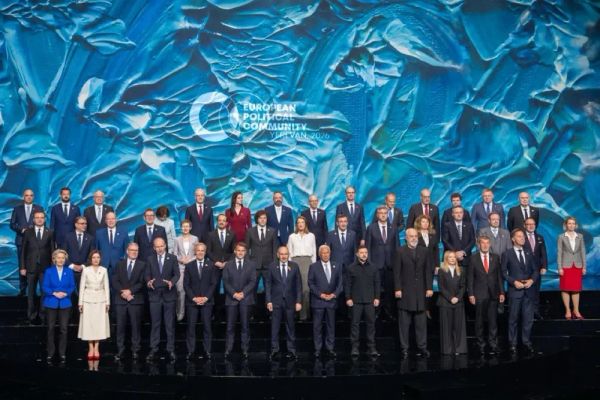
The European Political Community Summit in Yerevan, Armenia brought together 47 countries — alongside Canada — at a moment when global alignments are shifting faster than institutions can keep up.
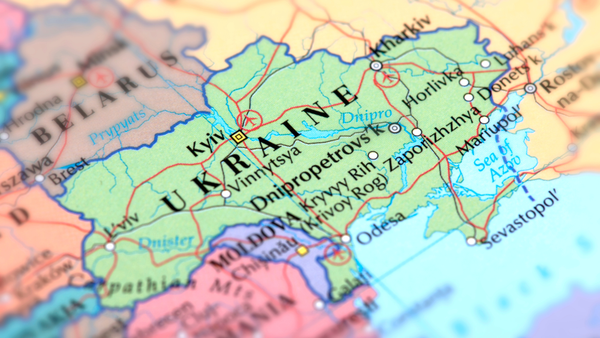
At first glance, the agenda centered on Ukraine.
In reality, the summit exposed something much bigger:
Europe is preparing for a world where it must act more independently — militarily, politically, and economically.
Ukraine at the center — but the strategy is changing
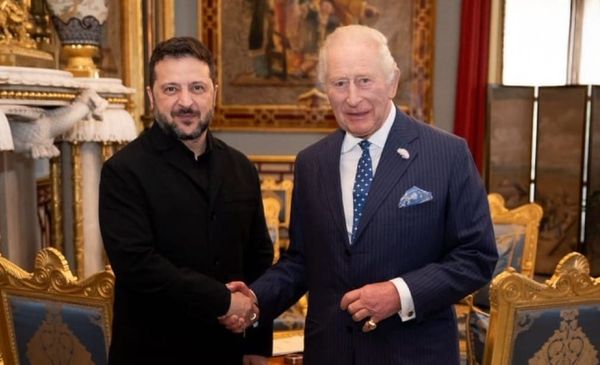
Ukrainian President Volodymyr Zelenskyy used the summit to push a clear message:
support alone is no longer enough — Europe needs capability.
In a high-level meeting that included leaders such as Emmanuel Macron, Keir Starmer, Giorgia Meloni, Mark Carney, and NATO Secretary General Mark Rutte, discussions focused heavily on:
- Expanding European air defense production
- Developing anti-ballistic missile capabilities
- Scaling military procurement through the Prioritised Ukraine Requirements List (PURL)
Canada announced an additional $200 million contribution to support these efforts, while NATO reaffirmed continued missile deliveries.
The underlying shift is significant:
Europe is moving from supplying Ukraine → to building the systems it will rely on itself.
A diplomatic pause — and a growing European demand
Zelenskyy confirmed that negotiations have slowed, in part due to broader geopolitical tensions, including the war involving Iran.
But the more important takeaway is how European leaders responded.
There was clear alignment on one point:
Europe must be part of any serious negotiation framework — not just a financial or military backer.
Leaders discussed:
- Re-engaging the United States diplomatically
- Reinvigorating stalled talks
- Increasing pressure on Russia through sanctions
The European Union’s latest sanctions package is already in place, with further measures expected — particularly targeting Russia’s shadow fleet.
This reflects a broader evolution:
Europe is no longer comfortable being present, but not decisive.
Battlefield dynamics are shifting leverage
Zelenskyy briefed leaders on conditions at the front, noting Russian losses reaching approximately 35,000 personnel per month.
Partners acknowledged two parallel developments:
- Ukraine’s relative strengthening on the battlefield
- Expanded diplomatic engagement with countries in the Middle East and Gulf
Together, these trends are reshaping Ukraine’s negotiating position — strengthening its leverage at a time when diplomacy remains uncertain.
The €90 billion commitment: long-term war planning
European Union leaders confirmed progress on a €90 billion financial package, expected to begin disbursement soon.
The funding will support:
- Energy infrastructure protection ahead of winter
- Defense production, including drones
- Broader national resilience planning
This is not emergency funding.
It is strategic, long-term investment in endurance.
A quiet but critical shift: preparing for less U.S. involvement
The summit unfolded against the backdrop of a major development:
the United States is planning to withdraw approximately 5,000 troops from Germany and scale back certain deployments.
European reactions were measured — but telling.
Officials emphasized:
- The need for increased European defense spending
- The importance of maintaining NATO cohesion
- The reality that U.S. decisions increasingly reflect domestic priorities
The takeaway is clear:
Europe is preparing to carry more of its own security burden.
EU–UK cooperation is returning — out of necessity
Despite years of post-Brexit tension, security concerns are driving renewed cooperation between the UK and the European Union.
At the summit:
- The UK signaled willingness to engage with the EU’s Ukraine financing mechanisms
- Both sides discussed deeper defense industrial collaboration
- Talks began on UK participation in EU innovation funding initiatives
This is not political reconciliation — it is pragmatic alignment driven by shared risk.
Canada steps into a larger role
Prime Minister Mark Carney emerged as a central player in Yerevan.
His presence — and participation in multiple bilateral meetings — highlighted Canada’s evolving position:
- A non-European partner integrated into European security discussions
- A contributor to Ukraine’s military and financial needs
- A strategic partner in sectors like critical minerals, energy, and advanced technologies
Carney framed the moment directly:
the international order will be rebuilt — and Europe will be central to that process.
Armenia’s role — and a wider geopolitical signal
Hosted by Nikol Pashinyan, the summit also carried regional significance.
- It marked the first visit by a Ukrainian president to Armenia in 24 years
- Armenia signaled continued interest in strengthening ties with the European Union
- Discussions included regional security challenges and economic cooperation
The symbolism matters:
Europe’s political and strategic orbit is expanding eastward.
The broader takeaway
The Yerevan Summit did not produce a single defining announcement.
Instead, it clarified a trajectory:
- Europe is building its own defense capacity
- It is seeking greater influence in diplomacy
- It is strengthening economic and strategic partnerships
- And it is preparing for a world where U.S. leadership is less predictable
At the center of all of this remains Ukraine — but the implications go far beyond it.
This is not just about a war.
It is about the shape of the next international order.