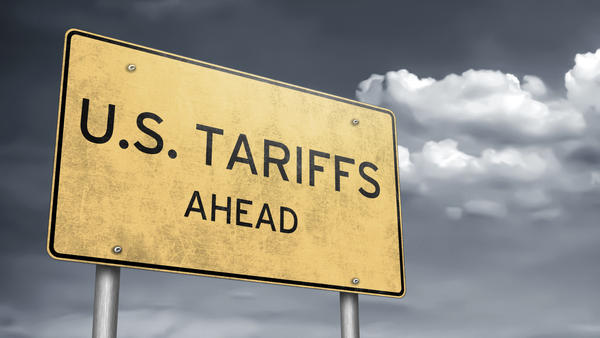
The Trump administration is preparing a new wave of tariffs that could affect imports from 60 economies, including China, the European Union, Canada, Japan, and many of America’s largest trading partners.
The proposal, announced by the Office of the U.S. Trade Representative (USTR), would impose tariffs of up to 12.5% on countries that Washington says have failed to effectively ban imports produced with forced labor. Countries with partial or full restrictions could face a lower 10% tariff.
On the surface, the move is framed as a human rights measure. The administration argues that products made with forced labor create unfair competition for American workers and manufacturers.
But the proposal also highlights a broader reality: after courts limited parts of Trump’s earlier tariff agenda, the administration is increasingly turning to alternative legal authorities to maintain pressure on trading partners and reshape global supply chains.
The timing is significant. Existing baseline tariffs imposed under Section 122 are set to expire in July, while trade negotiations with multiple countries remain ongoing. The new Section 301 action gives Washington another source of leverage at the negotiating table.
Response
China criticized the proposal as another unilateral U.S. trade restriction, while the European Union called the reasoning behind the tariffs “unjustified.”
Canada’s response was more measured. Prime Minister Mark Carney said the move was “not a surprise” and that Ottawa had been preparing for it.
“Canada has a very strong legislative regime against forced labour,” Carney said, adding that his government has been preparing ways to reinforce it and will bring proposals to the House in the coming weeks.
ONEST Take
The administration frames this as protecting American workers and fighting forced labor.
But tariffs are also a cost. Many U.S. businesses rely on foreign parts, materials, textiles, and finished goods. Higher import duties can make it harder to operate, especially for companies already dealing with higher fuel and shipping costs.
For consumers, that likely means one thing: even higher prices.