Rubio’s Foreign Policy Has a Results Problem

– 2 min read

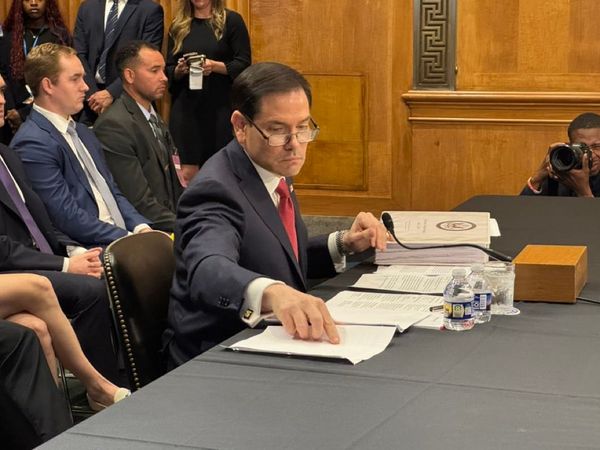
Marco Rubio’s testimony before Congress was built around a familiar Washington trick: present activity as achievement.
Ceasefires were restored. Agreements were signed. Routes were announced. Compacts were launched. Countries were brought into new coalitions. Aid was made “faster,” “leaner,” and more “results-driven.”
But not every result is positive simply because it can be listed.
A ceasefire that does not hold is not peace. A signed agreement without compliance is not stability. A humanitarian system that bypasses experienced institutions may be faster in the short term, but weaker when the next crisis grows. A foreign policy built around deals can produce headlines before it produces durable outcomes.
Rubio framed the past 16 months as a record of “tremendous successes” with remaining challenges. But several of the examples he cited also reveal the limits of this administration’s approach: Sudan remains catastrophic, the DRC-Rwanda agreement is struggling with compliance, Lebanon’s security future remains deeply uncertain, and aid reform is being praised before its long-term consequences are clear.
This is the real story.
The State Department is increasingly measuring diplomacy by output: meetings held, agreements signed, funds redirected, routes launched, governments engaged. But diplomacy is not a production chart. Its success is measured over time — by whether civilians are safer, institutions are stronger, wars actually end, and U.S. influence lasts beyond the announcement.
Rubio is right that foreign policy should be judged by results.
But the question Congress should be asking is: what kind of results — and for whom?
Some memorable quotes delivered by Secretary Rubio during the hearing:
“Foreign aid has become more nimble, more responsive.”
“We don’t want aid to solely be judged by how much you spend. We want it to be judged by what its results are.”
“The core of our foreign policy must always be the national interest of the United States.”
“It requires us to prioritize some parts of the world over other parts of the world, some issues over other issues.”
“We cut out bureaucracy, we cut out the middleman, and we went right to the point.”
“Venezuela's oil wealth is no longer being stolen, it's going directly to pay government workers, buy medical equipment, and is being audited. That's a significant advance.”
“The Russians are less than happy about our engagement in Armenia. I think there is evidence that they would like the current president to lose his election as a result of this growing relationship with the U.S.”
“A country that cannot build ships, or produce medicine, or control immigration, or access vital resources cannot defend its people, cannot defend its interests, and cannot defend its way of life."
McBride: “I assume you are aware that Greenland is part of Denmark?”
Rubio: “For now.”