Bangladesh Wins UN General Assembly Presidency as UN Enters a Defining Year

– 2 min read

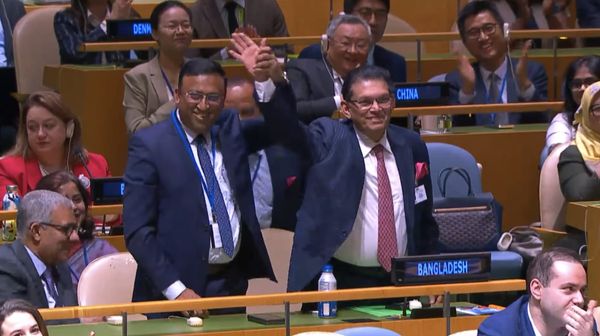
Bangladesh’s Foreign Minister Khalilur Rahman has been elected President of the 81st Session of the UN General Assembly, defeating Cyprus’ Andreas Kakouris in a surprisingly competitive vote of 99 to 91.
On paper, the role is largely procedural. In reality, Rahman will preside over one of the most consequential years in recent UN history.
His one-year term begins in September and will overlap with the selection of the next UN Secretary-General, the implementation of the Pact for the Future, growing pressure for institutional reform, and deepening divisions among major powers.
Rahman takes office as confidence in the multilateral system continues to erode. Wars in Ukraine, Gaza, Sudan, and elsewhere have exposed the limits of international institutions, while funding shortages, geopolitical rivalry, and declining trust have left the UN struggling to demonstrate relevance.
His chosen theme — “Restoring Trust, Managing Transformation” — speaks directly to that challenge.
Yet restoring trust may prove easier said than done.
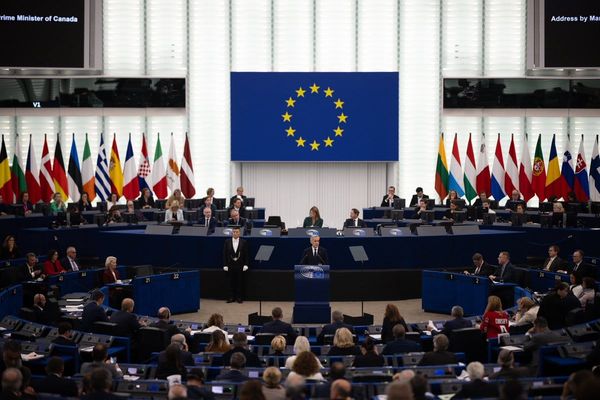
The UN General Assembly remains the world’s most representative diplomatic forum, bringing together all 193 member states. But influence inside the UN is increasingly shaped not only by votes, but by financial contributions, geopolitical leverage, and the growing competition between major powers.
The coming year will also see renewed debate over what UN reform actually means. Developing nations continue pushing for greater representation in global institutions, while critics argue that structures designed in 1945 are increasingly disconnected from modern realities.
The Security Council elections held alongside Rahman’s victory highlighted those shifting dynamics.
Austria, Portugal, Kyrgyzstan, Trinidad and Tobago, and Zimbabwe secured seats on the Security Council beginning in 2027. The biggest surprise was Germany’s defeat.
For the first time in history, Germany failed to win a non-permanent Security Council seat despite being one of the UN’s largest financial contributors and one of Europe’s most influential powers. Germany received only 104 votes, falling well short of the two-thirds majority required, while Austria and Portugal secured the Western European seats.
The result serves as a reminder that diplomatic influence at the United Nations cannot simply be bought through funding or economic weight. Political relationships, regional perceptions, and voting coalitions often matter just as much.
ONEST Take
The story is not that Bangladesh won.
The story is that the UN’s center of gravity continues to shift.
A Bangladeshi diplomat will oversee the General Assembly. Portugal and Austria defeated Germany for Security Council seats. Emerging and middle powers are increasingly demanding a greater voice in institutions long dominated by Western countries.
Whether that leads to a more representative UN or a more fragmented one remains an open question.
What is clear is that the next 16 months — from the opening of the 81st General Assembly to the selection of António Guterres’s successor — could help determine what role the United Nations plays in an increasingly divided world.