APRIL 22: Global Financial Strains, Fragile Truce Dynamics, Shifting Alliances

– 5 min read

Financial markets are once again revealing underlying vulnerabilities — this time through sovereign liquidity stress.
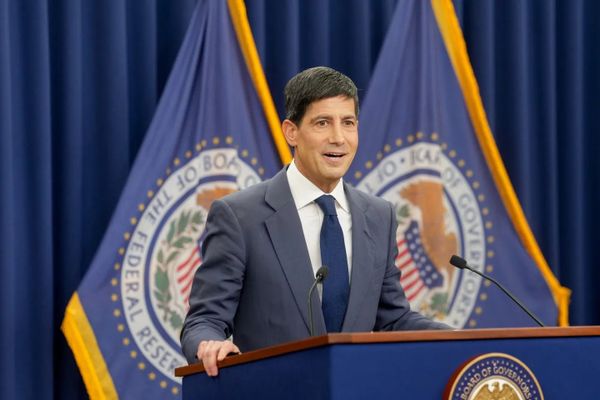
The United Arab Emirates, facing economic strain linked to the Iran war, has initiated discussions in Washington around a potential currency swap line. While such arrangements are typically reserved for close financial partners, the Federal Reserve has historically been reluctant to extend them in similar cases. That hesitation may shift the burden toward the U.S. Treasury, echoing last year’s intervention in Argentina.
In parallel, China continues to expand its role as a global liquidity provider. The People’s Bank of China has scaled its swap lines to a record $4.3 billion, positioning itself in stark contrast to the Fed’s more cautious stance. This divergence reflects a broader structural shift: financial influence is increasingly becoming a tool of geopolitical alignment.
A fragile pause in hostilities between the United States and Iran has been extended — but stability remains uncertain.
President Trump approved a last-minute continuation of the truce, "allowing Iran additional time to consolidate its negotiating position". The decision came despite earlier opposition to any extension, highlighting internal divisions not only in Tehran but also in Washington’s strategic approach.
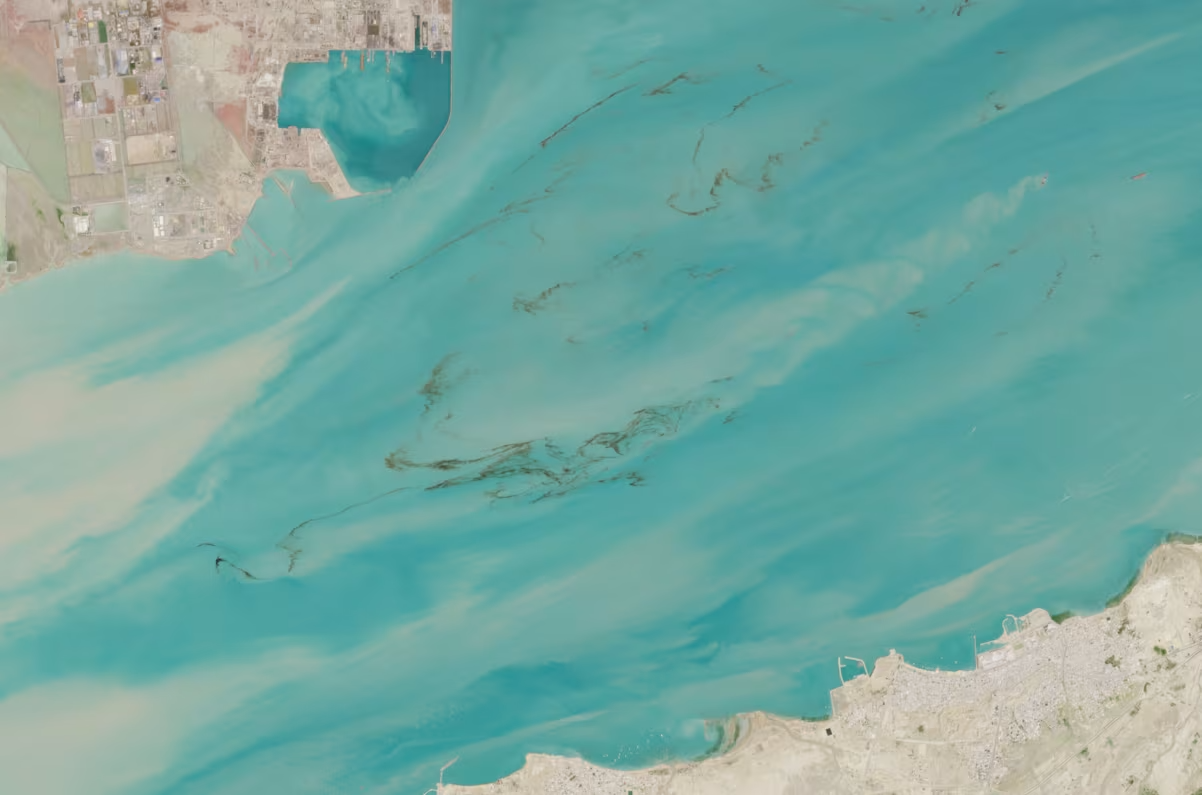
Even as large-scale conflict is avoided for now, tensions are escalating in other forms. Both countries continue to impose restrictions on shipping in the Strait of Hormuz, a critical global energy corridor. The United States boarded an Iranian-linked tanker in the Indian Ocean, while Iran reportedly seized vessels within the strait.
Oil markets reacted immediately, with Brent crude briefly approaching $100 per barrel before stabilizing.
Elsewhere in the region:
Qatar
Airspace is gradually reopening, with foreign carriers resuming operations through Hamad International Airport after weeks of disruption.
UAE
Security authorities report thwarting a covert plot threatening national stability, while separate discussions continue around potential involvement in Gaza infrastructure and logistics.
Iran
Economic strain is intensifying rapidly. Two million jobs have been lost since February, and the IMF projects a 6.1% contraction this year. Tehran has also labeled U.S. port restrictions as an “act of war,” underscoring the fragility of the current ceasefire framework.
Israel / Palestine
Violence continues in the West Bank, while European governments — including Spain, Slovenia, and Ireland — are pushing for a review of EU relations with Israel, signaling a potential diplomatic shift.
Gaza
Reconstruction costs are estimated at over $26 billion in the first 18 months alone, according to joint international assessments.
Syria & Türkiye
Syria anticipates potential removal from the U.S. terrorism list, which would mark a significant step toward reintegration into the global financial system. Meanwhile, Türkiye is advancing nuclear energy cooperation with Russia amid growing demand for alternative energy sources.
Africa
A notable financial shift is emerging as Ecobank explores yuan-based settlements with the Bank of China, reducing reliance on the U.S. dollar in African trade flows.
Policy decisions and domestic developments reflect a mix of strategic recalibration and internal tension.
In political developments, redistricting is intensifying ahead of the midterms. Virginia voters approved a new congressional map that could allow Democrats to gain up to four House seats. However, the broader national picture remains fluid: Republicans could offset those gains if Florida advances its own proposed map in the coming weeks, underscoring how state-level redistricting decisions continue to shape the balance of power in Congress.
Canada is advancing a multi-dimensional strategy focused on infrastructure, culture, and international collaboration.
Significant federal investment — over $13 million — is being directed toward Arctic development projects across Nunavut. These initiatives include transportation infrastructure, energy connectivity, and environmental monitoring systems, reinforcing Canada’s long-term strategic presence in the region.
On the cultural front, Canada and South Korea have signed a modernized audiovisual coproduction treaty, expanding collaboration across film, television, and digital media. The agreement reflects a broader push to strengthen creative industries and global cultural exchange.
Additional developments include:
The UK Parliament has passed landmark legislation banning the sale of tobacco and vaping products to individuals born in or after 2009. The policy is part of a broader effort to create a “smoke-free generation,” addressing an estimated $29 billion annual cost linked to smoking.
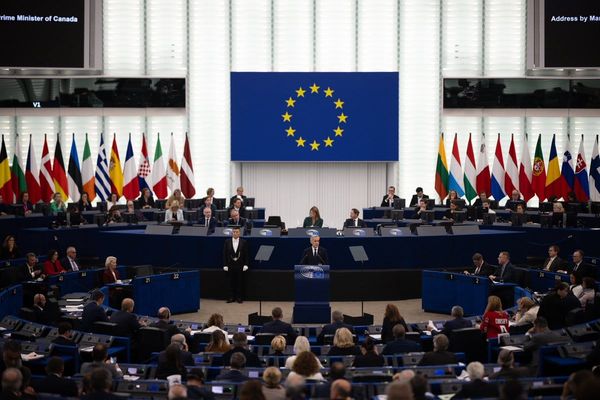
The European Union is scaling up its long-term commitment to Ukraine.
A new €600 million financing package — backed by the European Commission and the European Investment Bank — will support infrastructure, energy systems, and public services. The initiative builds on the broader €50 billion Ukraine Facility and reflects a coordinated “Team Europe” approach to reconstruction and integration.
Ukraine continues to deepen defense cooperation with Spain, particularly in radar systems and air defense capabilities. Meanwhile, efforts to return abducted Ukrainian children are ongoing, with over 2,100 successfully repatriated to date.
A new national report highlights a stark environmental reality.
Nearly half of Americans — around 152 million people — are exposed to unhealthy air quality. Only one U.S. city, Bangor, Maine, meets all clean-air benchmarks this year, underscoring a broader decline in environmental conditions.
Pollution remains a major public health threat, contributing to respiratory illness, cardiovascular disease, and premature death. Experts warn that regulatory rollbacks and climate-related factors are likely to worsen conditions further.
A quiet moment captured at a zoo — two first-time parents leaning in toward their newborn — offers a simple reminder: even amid global uncertainty, connection remains constant.