Read/Watch: A Sunken Russian Ship, Nuclear Reactor Questions, and North Korea
CNN reports a Russian cargo ship that sank off Spain may have carried submarine nuclear reactor components possibly bound for North Korea, raising new questions about Russia–North Korea military cooperation.
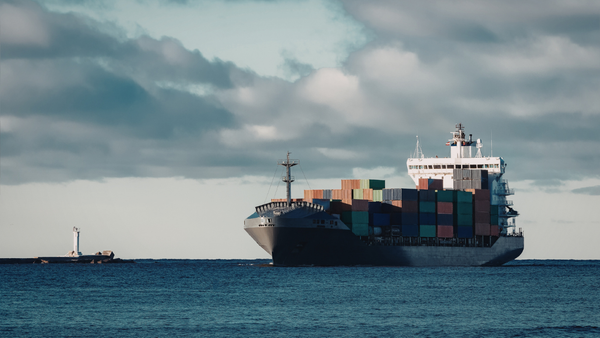
A new CNN investigation has raised serious questions about a Russian cargo ship that sank off the coast of Spain in December 2024 — and what it may have been carrying.
The vessel, Ursa Major, also known as Sparta III, went down in the Mediterranean after reported explosions. At the time, Russian officials said the ship had suffered an engine-room explosion. Reuters reported that 14 of the 16 crew members were rescued, while two remained missing. The ship was described as carrying port cranes, icebreaker parts, empty containers, and other non-dangerous cargo.
But CNN’s new investigation suggests the declared cargo may not tell the full story.
According to reporting summarized by The Guardian, investigators believe the ship may have been carrying components for two submarine nuclear reactors, possibly intended for North Korea. The report points to a series of unanswered questions, including suspicious cargo indicators, large unidentified containers, and the broader context of deepening Russia–North Korea military cooperation.
The word “may” matters here.
This has not been publicly confirmed by independent authorities as a completed transfer of nuclear reactor technology from Russia to North Korea. The full cargo, final destination, and exact cause of the sinking remain unclear.
But if the reporting is confirmed, the implications would be significant.
Watch: Russian Ship, Nuclear Reactors, and North Korea: What We Know
Russia and North Korea have already moved much closer since Moscow’s full-scale invasion of Ukraine. North Korea has provided military support to Russia, while Russia has offered diplomatic, military, and technological backing in return. But possible submarine nuclear reactor components would represent a much more sensitive category of cooperation.
This would not simply be about shells, missiles, drones, or battlefield supplies.
It would raise questions about whether Russia is helping North Korea advance its military technology in ways that could affect regional security, sanctions enforcement, and the balance of power in Northeast Asia.
The sinking itself remains unexplained. Russia’s state-linked owner, Oboronlogistika, claimed the vessel was the victim of a “terrorist attack.” Western reporting has highlighted unusual circumstances around the explosions, the ship’s cargo, and what happened after it began to sink.
For now, the most responsible conclusion is this:
A Russian cargo ship sank in mysterious circumstances off Spain.
It was officially described as "carrying ordinary cargo".
A CNN investigation now suggests it may have been carrying components for two submarine nuclear reactors, possibly bound for North Korea.
And if that is confirmed, this would be more than a strange maritime incident. It could point to a much larger and more dangerous Russia–North Korea technology exchange happening outside public view.
Olga Nesterova is a journalist and founder of ONEST Network, a reader-supported platform covering U.S. and global affairs. A former White House correspondent and UN diplomat, she focuses on international security and geopolitical strategy.