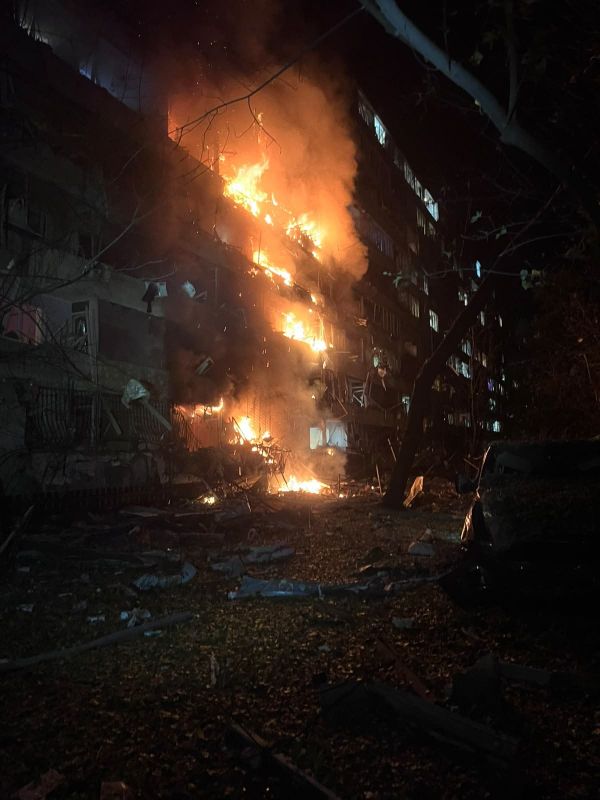
The Middle East remains on edge despite growing diplomatic activity and suggestions that a temporary de-escalation between Israel and Iran may be within reach.
In the Gulf of Oman, U.S. forces disabled an unladen oil tanker after it attempted to sail to an Iranian port in violation of the ongoing blockade against Iran, according to the U.S. military. The incident underscores Washington’s efforts to enforce pressure on Tehran while maintaining control over key maritime routes.
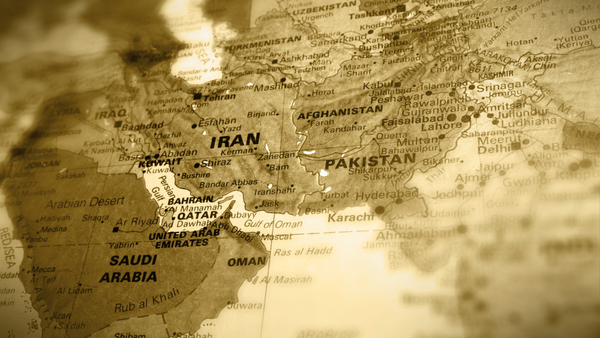
The Strait of Hormuz, through which roughly 20 percent of global oil supplies pass, remains a focal point of international concern. The European Union announced sanctions against two Iranian individuals and a unit of the Islamic Revolutionary Guard Corps, accusing them of threatening freedom of navigation in the strategic waterway.
The diplomatic activity comes just days after the most serious Israel-Iran escalation since the April ceasefire.
On June 7, Iran launched ballistic missiles toward northern Israel following Israeli strikes in Beirut linked to Hezbollah targets. Israeli air defenses intercepted the attack, but the exchange marked the first direct Iranian missile strike on Israel since April and raised fears of a broader regional war.
Israel responded on June 8 with strikes against military targets in central and western Iran, including missile infrastructure and strategic defense systems. Iran subsequently announced a halt to military operations against Israel while warning that attacks could resume if Israel continued operations against Hezbollah in Lebanon. Both sides later indicated they would pause direct strikes following pressure from Washington and ongoing diplomatic efforts.
Adding to regional uncertainty, two U.S. pilots were rescued after an Apache helicopter crashed near the Strait of Hormuz. President Donald Trump later confirmed that both pilots were safe.
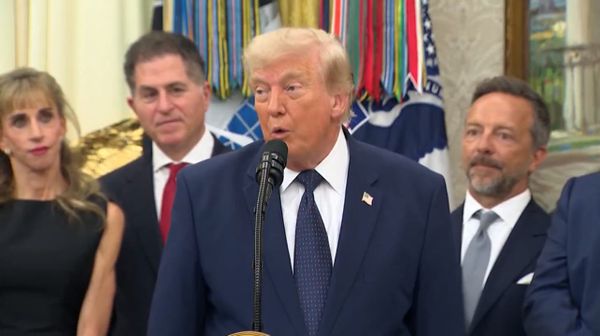
At the same time, President Trump said a deal between Israel and Iran was imminent and suggested the two countries could refrain from hostile actions for at least a week if negotiations succeed.
In Lebanon, however, tensions continue to rise. The Israeli military issued a new evacuation order for the southern city of Tyre, including its Christian quarter, ahead of potential strikes. Lebanese President Joseph Aoun appealed directly to Israel and its citizens, arguing that military action alone cannot deliver lasting security and calling for renewed negotiations.
The United Nations also expressed concern over Israel’s evacuation orders in southern and eastern Lebanon, warning that many civilians may be unable to relocate safely and raising questions about compliance with international humanitarian law.
Meanwhile, a Lebanese military source said three Lebanese Army soldiers killed in an Israeli strike over the weekend were traveling to a duty station beyond the so-called “yellow line” separating Israeli and occupied territory.
In Gaza, Israeli strikes killed six Palestinians, including a child, according to local health officials, while residents reported that Israeli forces continued expanding areas under military control. Political pressure on Israel is also growing internationally, with British Labour MPs calling for a ban on trade with Israeli settlements considered illegal under international law. In Italy, prosecutors opened an investigation involving Israeli National Security Minister Itamar Ben-Gvir over the treatment of activists participating in a Gaza aid flotilla last month.
Beyond security concerns, regional economies continue to move forward despite the instability. Oman announced ten new agreements worth approximately $7.5 billion in its Duqm Special Economic Zone, including a $4.2 billion expansion of ACME Group’s green hydrogen project. The investment highlights Gulf states’ efforts to diversify beyond oil and position themselves as future energy exporters.
In Egypt, analysts expect annual inflation to ease to 14.5 percent in May, although economists caution that planned electricity price increases could reverse some of that progress later this year.
ONEST Take: The Middle East Is Operating on Two Timelines
On one timeline, diplomats are talking.
President Trump is signaling that an Israel-Iran understanding may be close. Lebanon’s president is openly appealing for negotiations. Gulf states are investing billions into economic projects designed around trade, logistics, hydrogen and long-term growth.
On the other timeline, the military reality has not changed.
Tankers are being intercepted. Helicopters are crashing near Hormuz. Evacuation orders continue in Lebanon. Gaza remains an active battlefield. New sanctions are being imposed. Every actor is preparing for diplomacy while simultaneously preparing for the possibility that diplomacy fails.
This is increasingly becoming the defining characteristic of the region: economic integration and military confrontation advancing at the same time.
The $7.5 billion investment package announced by Oman may seem unrelated to the latest security developments, but it reflects a larger trend. Gulf countries are betting on stability because their economic futures depend on it. Yet stability cannot be manufactured through investment alone if major conflicts remain unresolved.
The Strait of Hormuz remains the clearest example. Nearly one-fifth of the world’s oil passes through a narrow waterway where military incidents can quickly become global economic events. Every sanction, interception, or confrontation there carries consequences far beyond the region.
For now, markets, governments and investors appear to be betting that escalation will remain contained. But the gap between diplomatic optimism and battlefield reality remains significant.
The Middle East is not yet moving toward peace. It is moving toward another attempt at managing conflict while continuing to live with it.
Separately, Iranian authorities confirmed that former Supreme Leader Ayatollah Ali Khamenei will be buried following a major commemoration ceremony later this month.
The burial ceremony may also serve a political purpose: not only honoring a former leader, but creating — or at least portraying — a national moment of unity against external enemies at a time of sanctions, military pressure and negotiations.