The Daily: Trump Picks Miller, NATO Watches Washington, China Faces Pressure

– 5 min read

Good evening,
Washington is adjusting to the election results, and so is the rest of the world.
President Trump has appointed Stephen Miller as his new White House chief of staff. NATO's secretary general has offered some personal encouragement. Meanwhile, questions are emerging about whether Russia and China might see an opportunity in Washington's changing political landscape.
In today's ONEST reporting, we examine those calculations, a sanctioned Russian official's international activities, China's financial vulnerabilities, and the latest developments inside its military leadership.
Here's what mattered today.
1. Trump appoints Stephen Miller as White House chief of staff.
President Donald Trump announced that Stephen Miller will replace Susie Wiles, effective November 9. Wiles will move to Trump's political operation. The appointment elevates one of the administration's most influential architects of hard-line immigration policy just days after Republicans suffered major midterm losses. Rather than signaling a policy retreat, the choice suggests the White House intends to press ahead with its existing agenda.
2. NATO's Rutte reassures Trump as transatlantic trust erodes.
NATO Secretary General Mark Rutte said he messaged President Trump after the Republicans' midterm defeat: “Keep your chin up, and we carry on.” The gesture comes after months of Trump questioning NATO's reliability, threatening allies over Greenland, and deepening divisions over Iran and Ukraine. Rutte has defended his conciliatory approach as necessary to preserve the alliance. But the larger question is increasingly difficult to ignore: how does NATO maintain credible collective defense when its most powerful member repeatedly casts doubt on the alliance itself?
3. Russia and China assess Washington's changing position.
Trump has suggested that negotiations with Russia could produce a broader agreement affecting European security. Russian and Ukrainian negotiators are expected to meet in the United Arab Emirates next week. Meanwhile, the American election results raise questions about how Moscow and Beijing might approach an administration facing stronger congressional opposition.
4. Musk amplifies criticism of Starlink's role in Ukraine.
Elon Musk reposted a message arguing that providing Starlink connectivity to Ukraine had been a mistake because the technology later became important to military drone operations. The original statement came from another account. The framing shifts attention toward Ukraine's use of technology for defense, while omitting the essential context: Russia invaded Ukraine, and Ukraine is defending itself against that aggression.
5. Iran considers new nuclear proposals as Yemen's war continues.
Iran is reportedly reviewing proposals presented through mediators, with Qatar playing a role in efforts to prevent renewed escalation. Separately, airstrikes on a market in Yemen's Taiz province reportedly killed at least 30 people. The Houthis and Saudi-backed government forces blamed each other for the attack.
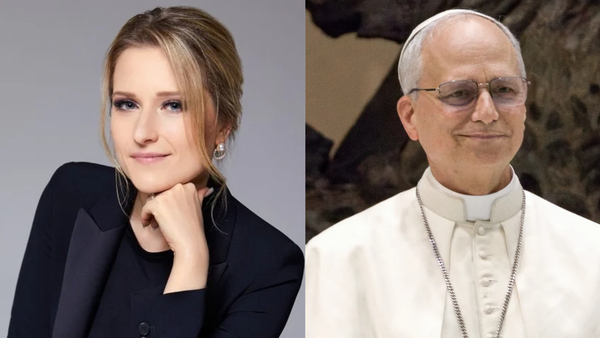
The presence of Russian officials at a White House humanitarian event raises questions extending beyond the event itself.
Today's ONEST reporting examines the international activities of a sanctioned Russian official praised at the White House and the organization the official helps lead.
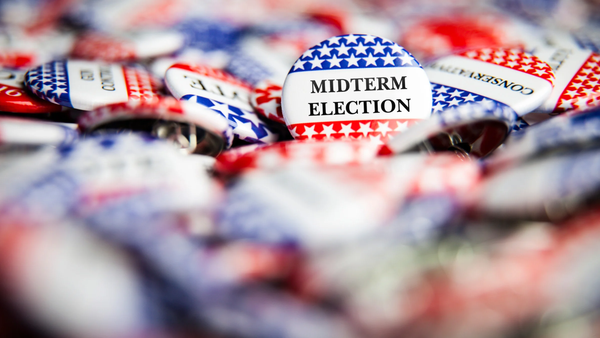
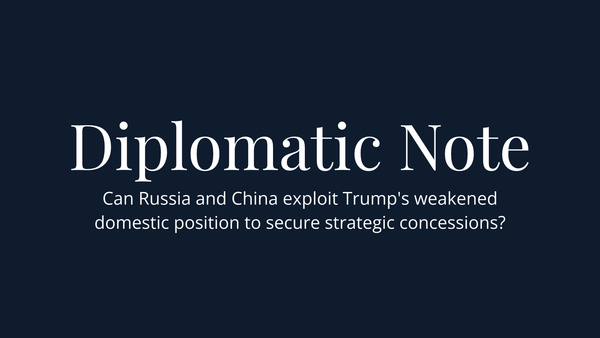
The consequences of America's midterm elections extend beyond the balance of power in Congress.
Foreign governments are watching the president's political standing, the incoming congressional leadership and the opportunities (or constraints) that may emerge.
What could Moscow and Beijing seek from Washington, and how much room does the administration have to negotiate?
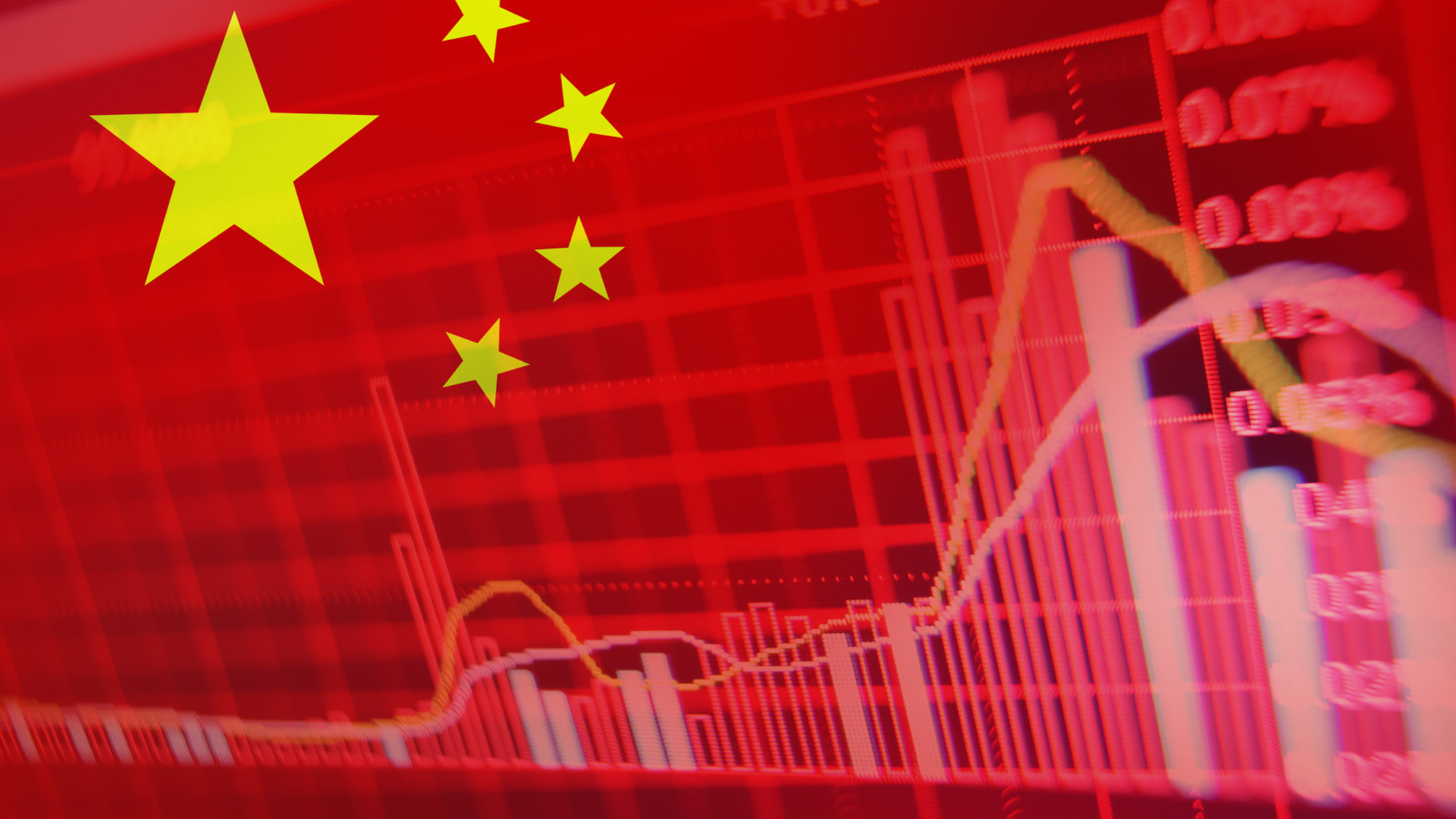
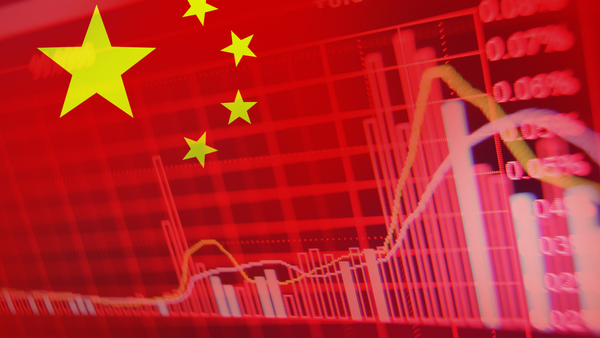
China's efforts to stabilize its stock market raise a larger question about the country's economic outlook.
Market interventions may address immediate financial pressure, but do they resolve the underlying vulnerabilities?
Our analysis examines the distinction between stabilizing markets and addressing structural economic problems.
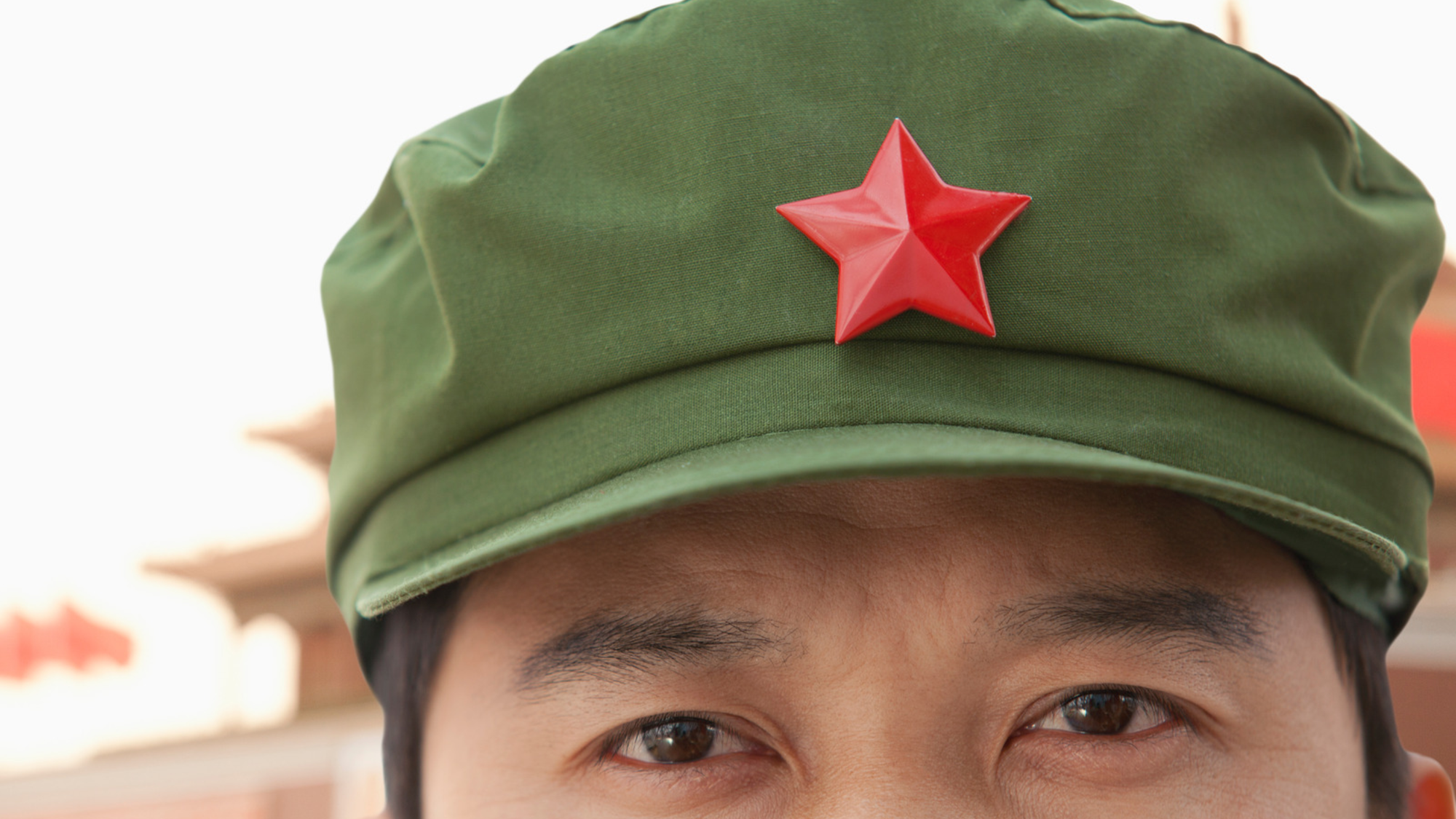
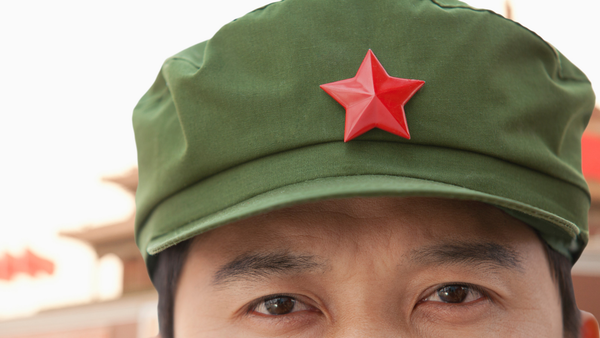
The removal of senior military officers raises questions about command, loyalty and institutional continuity inside China's armed forces.
What do the leadership changes mean for military decision-making and President Xi Jinping's control over the institution?
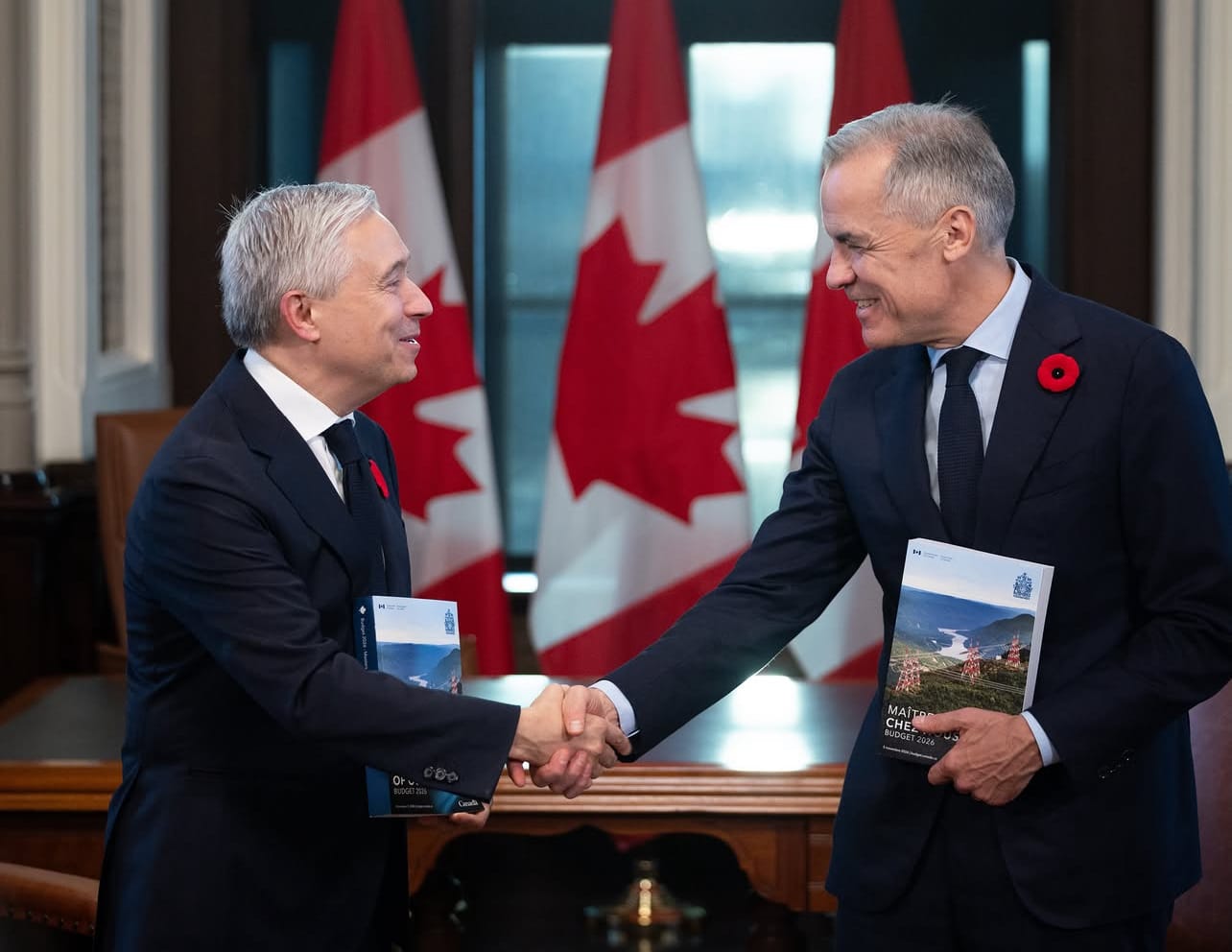
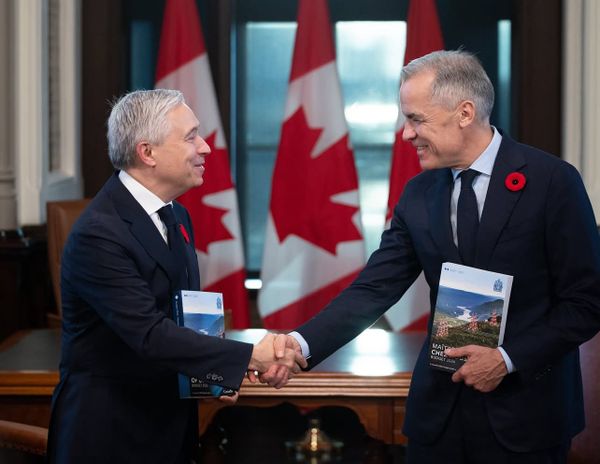
Canada Wants Greater Economic Independence. Carney's Budget Reveals the Price.
Economic sovereignty is an attractive political objective.
Prime Minister Mark Carney's budget provides an opportunity to examine what greater Canadian economic independence would require and the financial choices that accompany it.
EUROPE: Another wave of bomb threats disrupted flights and targeted broadcasters across Europe. No suspicious devices have been reported, but authorities are investigating a possible wider campaign of hoaxes.
SOMALIA: The Supreme Court rejected President Hassan Sheikh Mohamud's extension of his term, intensifying a constitutional confrontation between the presidency and judiciary.
NIGERIA: A court invalidated former Vice President Atiku Abubakar's nomination as an opposition presidential candidate, creating uncertainty ahead of the election.
JAPAN: Prime Minister Sanae Takaichi announced plans for an emergency cybersecurity package worth approximately $63 million, including measures involving artificial intelligence.
NEW ZEALAND: Political parties concluded their election campaigns with a close contest expected amid economic concerns and declining confidence in the major parties.
LATIN AMERICA: Pope Leo XIV began a twelve-day regional visit, including Uruguay, Argentina and Peru.
LAST CALL: 50% OFF ONEST MEMBERSHIP
Our exclusive offer ends tonight.
Get one year of independent geopolitical reporting, analysis, Diplomatic Notes, Deep Dives, and exclusive interviews for $99.50 instead of $199.
Understand not just what happened, but why it matters and what comes next.
Offer applies to the first year of a new annual membership. Renews at the regular $199/year rate unless canceled. No coupon code required.
That's what mattered today.
Olga
Founder & Editor, ONEST
Independent Geopolitical Journalism