Canada has unveiled a federal budget built around a familiar economic challenge with increasingly geopolitical consequences: how to remain prosperous without relying so heavily on the United States.
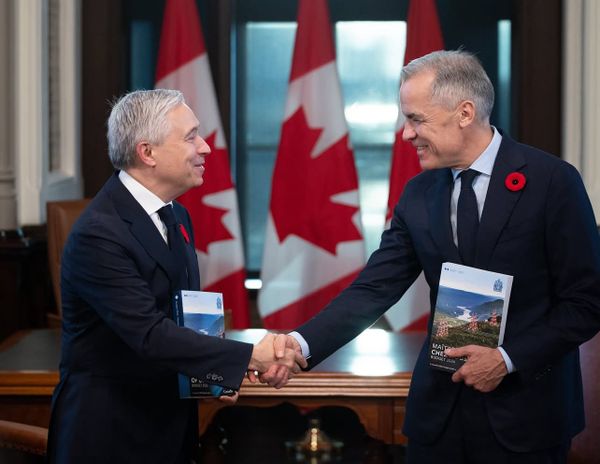
Prime Minister Mark Carney's government projects a C$62.3 billion deficit for 2026-27 while advancing an investment strategy spanning infrastructure, energy, housing, advanced technology and defense.
The budget is titled Masters of Our Destiny.
The choice of words is deliberate.
Building economic independence
The government aims to double Canadian exports outside the United States by 2035, while strengthening domestic manufacturing and attracting private investment.
Its measures include:
- Business investment: New tax incentives designed to lower the effective tax rate on qualifying investments to 6.4%.
- Defense: Increased military spending and a target of awarding 70% of defense procurement to Canadian firms.
- Infrastructure and energy: Investments in electricity, transportation, critical minerals and major construction projects.
- Housing: Expanded financing and infrastructure support intended to accelerate construction.
- Household affordability: New grocery benefits, worker supports and a refundable caregiver tax credit.
The caregiver reform would provide eligible Canadians with up to C$1,260 annually beginning in 2027, subject to legislative approval.
The financial calculation
Ottawa expects stronger investment and productivity to generate economic growth and additional government revenue.
But the fiscal risks remain. Canada is forecasting another substantial deficit, while debt-servicing costs are expected to increase. The government plans to balance day-to-day operating spending with revenue by 2027-28. That would not eliminate borrowing for capital investments.
💡
The distinction matters: balancing operating expenditures is not the same as balancing the federal budget.
The geopolitical calculation
Carney's economic strategy extends beyond Canada.
Next week, he will travel to Ireland, the Philippines, Cambodia and China, pursuing closer relationships with European and Asian partners.
Ottawa is seeking deeper integration with the European Union, new trade agreements in Southeast Asia and expanded commercial ties with China.
The timing is significant.
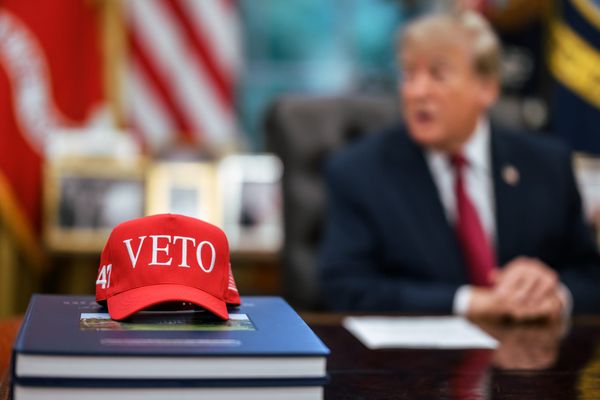
As Washington pursues a more confrontational trade policy, Canada is investing in alternative markets and reducing the risks associated with dependence on a single trading partner. That does not mean abandoning the United States, which remains central to Canada's economy. It rather means attempting to make that relationship less indispensable.
LIMITED-TIME OFFER: ONEST annual membership is 50% off.
$99.50 instead of $199/year.
Offer ends Friday, November 6. No code needed.
Become paid member
What could go wrong?
The strategy depends on private investment materializing, infrastructure projects advancing and foreign markets becoming more accessible.
Environmental organizations are already warning that accelerated development must not come at the expense of Canada's ecosystems. WWF-Canada is calling for C$1.5 billion in additional nature-restoration funding over four years. Meanwhile, stronger trade ties with China could create new economic opportunities while introducing different strategic dependencies.
Carney is asking Canadians to accept substantial borrowing today in exchange for a more competitive, less vulnerable economy tomorrow.
But this transformation was not Canada's preferred course. It is a response to an increasingly confrontational and unpredictable American approach to trade, which has made decades of economic integration a source of vulnerability.
After prolonged negotiations with Washington have failed to restore predictability, Ottawa is choosing to reduce its dependence rather than continue waiting for it.
The ambition is clear, and so is the logic behind it. Canada is investing in its own capacity, diversifying its partnerships and preparing for a world in which its historically closest ally can no longer be relied upon.
Whether the investments deliver their promised returns remains to be seen, but the strategy is neither improvised nor without purpose. It is a calculated response to circumstances Canada did not create.