Pre-NATO Summit Brief: China Tests the Pacific, Russia Tests the Alliance

– 4 min read

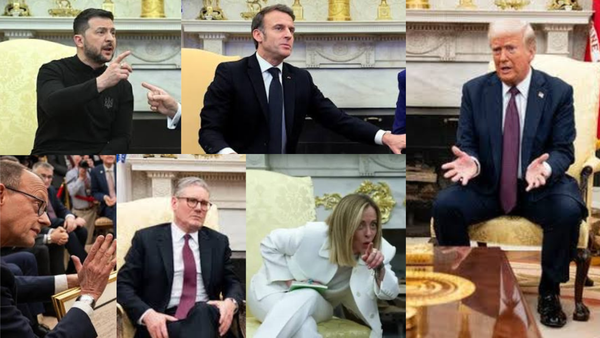
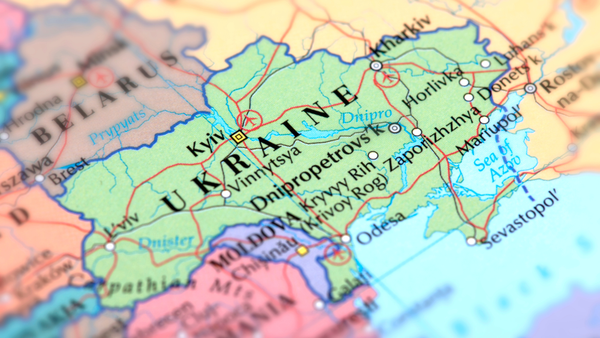
On the eve of the NATO summit in Ankara, the headline issue was supposed to be Ukraine.
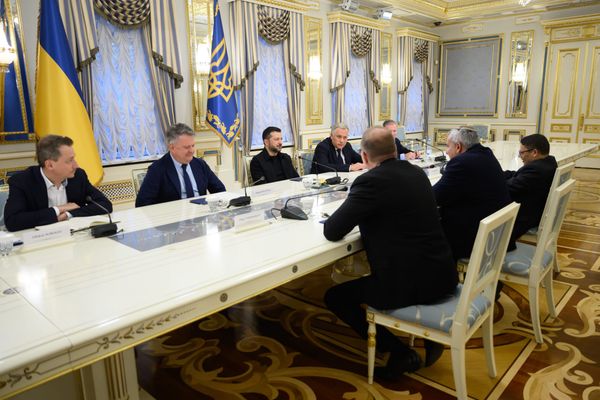
The first day of the summit is heavily built around Ukraine — from bilateral meetings, including Prime Minister Mark Carney’s meeting with President Volodymyr Zelenskyy, to foreign ministers’ discussions and broader allied coordination. The second day is expected to focus more directly on NATO itself: defense spending, industrial production, and how to turn past commitments into actual capability. NATO’s own summit framing is “increased investment, industrial production and continued support for Ukraine.”
But China has now inserted itself into the pre-summit picture.
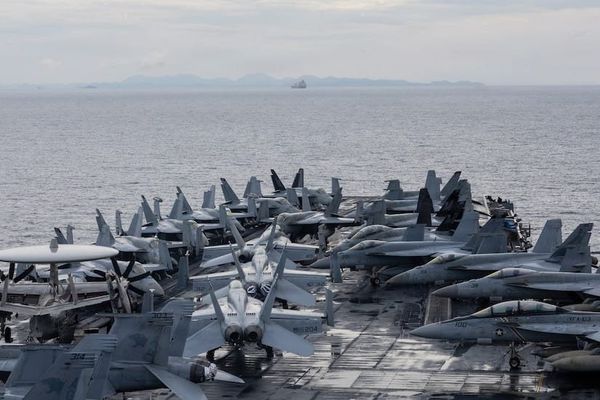
On July 6, China launched an unarmed intercontinental-range ballistic missile from a nuclear-powered submarine into the Pacific Ocean. The United States said it monitored the launch and warned that Beijing’s “rapid and opaque nuclear weapons buildup” is a concern to the region and the world. Washington also urged China to enter meaningful arms-control talks and establish regular launch notification arrangements.
Asia Society Policy Institute experts described the test as a major development because it appears to be China’s first publicly acknowledged long-range submarine-launched ballistic missile test into the open Pacific. Lyle Morris assessed that the launch demonstrates China’s movement toward a more survivable sea-based nuclear deterrent — one capable of targeting the continental United States from areas closer to Chinese waters.
The location matters. The missile reportedly landed in the South Pacific, near a region where China has spent years expanding influence. In 2022, China signed a security agreement with the Solomon Islands. The signed text was not made public, but a leaked draft reportedly allowed for Chinese police, armed police, military personnel and other forces to be deployed in the Solomon Islands.
Australia is now responding across the region. Last week, Australia and Vanuatu signed a security and economic treaty that blocks the creation of a foreign military base in Vanuatu. Today, Australia and Fiji signed the Ocean of Peace Alliance, a new mutual defense pact and Australia’s first new formal alliance since ANZUS. Australia also announced more than A$1 billion in investment in Fiji over the next decade.
So the China test is not only about a missile. It is about the Pacific balance of power.
And that matters for NATO because distraction is strategy.
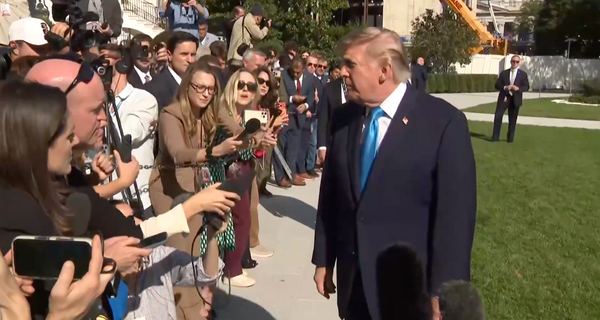
Russia has every interest in a NATO summit that becomes less about Ukraine and more about everything else. Trump spoke with Putin over the weekend, and according to the Kremlin, they discussed the “Ukrainian settlement” in view of Trump’s participation in the NATO summit. The Kremlin said Trump reaffirmed readiness to contribute to ending hostilities “as soon as possible,” and that Steve Witkoff and Jared Kushner would be ready to visit Moscow at a convenient time.
Before that, Trump spoke with Zelenskyy, who congratulated the United States on its 250th anniversary.
The timing is familiar. Recent major summits that should have centered Ukraine were repeatedly pulled off course by Washington’s own fights — Iran, Greenland, defense spending, and Trump’s repeated calls with Putin — each time shifting diplomatic oxygen away from Russia’s war.
Meanwhile, Russia is escalating on the ground and from the air. On July 6, a major Russian missile and drone assault killed at least 21 people in Ukraine, with Kyiv and the surrounding region hit especially hard. Zelenskyy again urged allies to provide more Patriot systems, warning that Ukraine’s air defense gap is becoming more deadly.
There is also growing concern about NATO’s eastern flank. Recent reporting says the United States warned Poland that Russia may be preparing a provocation to test NATO’s resolve, potentially involving Kaliningrad or Belarus.
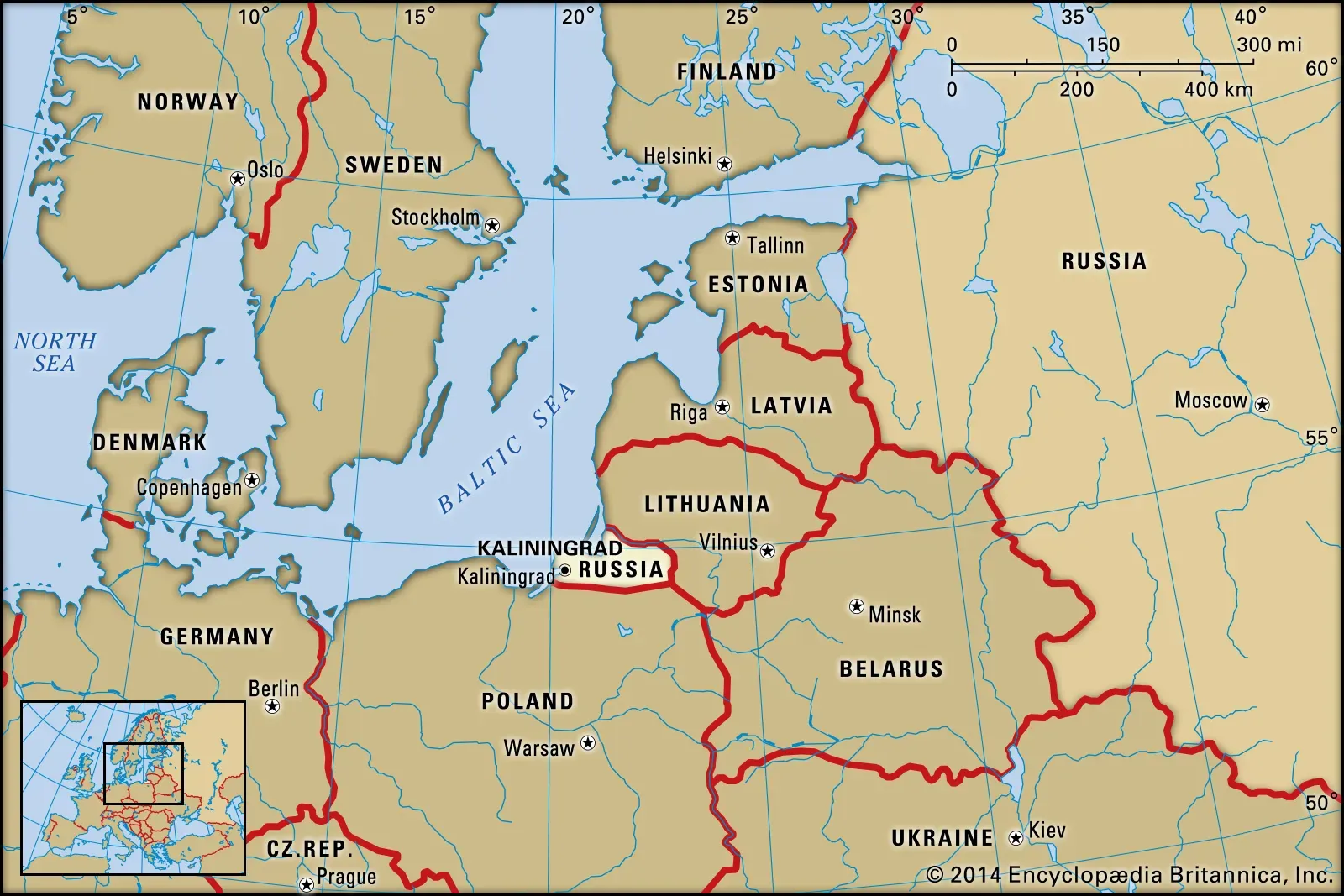
This is where headlines often mislead. Article 5 is not automatic. NATO must first consult, assess what happened, attribute responsibility, and reach consensus that the conditions for collective defense have been met and agree on a common response. Only then does each member state decide nationally what contribution it will make to that agreed response — meaning the real test may come before any military response is even triggered.
If Russia tested NATO through ambiguity — drones, missiles, Belarusian territory, Kaliningrad pressure, or a limited “accidental” incursion — the question would not only be whether Article 5 exists. The question would be whether allies trust each other enough to act together.
That trust is already under pressure. The Wall Street Journal’s recent reporting describes a deepening rupture between Europe and the United States, driven by Trump’s tariffs, threats over Greenland, doubts about Ukraine, and European concerns about overdependence on American military and technology systems. The article describes European leaders increasingly exploring “de-Americanization” while still trying to preserve NATO.
That is the real pre-summit state of affairs: NATO is not entering Ankara only as a military alliance. It is entering as an alliance trying to prove it still has political coherence.
China and Russia do not have an interest in a strong, united NATO — or in a successful NATO summit.
China, North Korea and Iran support Russia in different ways because Russia’s war serves their interests too. It weakens Western unity, drains U.S. and NATO attention, and forces allies to split resources across multiple fronts. For China, the benefit is global: a distracted and divided West gives Beijing more room to expand its influence — in the Indo-Pacific, Africa, Latin America and beyond.
The unfinished war with Iran also cannot be treated as separate from NATO. Fuel prices, sanctions relief, military stockpile pressure, and the diversion of U.S. attention all affect the same allies now being asked to defend Ukraine, deter Russia, contain China and maintain unity with Washington.
But the larger issue is alignment. As U.S. tariffs push allies to diversify trade, some are also expanding economic engagement with China. Türkiye is a clear example: it remains a NATO member, but it also works with China on trade and connectivity, including through the Belt and Road/Middle Corridor entanglement that NATO cannot simply undo.
And then there is the United States itself. While allies are being asked to hold the line against Moscow, Washington is also discussing future economic relations with Russia. That adds its own weight to the scales.
The China missile test does not replace Ukraine on the agenda. But it does test whether NATO can keep its strategic focus when multiple authoritarian powers are moving at once.
Allies are only as strong as the trust that unites them. At the moment, NATO allies are desperately trying to find a point of alignment with the United States.
The question in Ankara is: what will that point be?