Crimea Is Ukraine. What Does It Take to Make That Matter?
From the Crimea Platform and a gathering of first spouses at UNGA, two different answers to the same question: how do people endure a war, and what must other countries do to help end it?
Crimea Platform | Photo: Office of the President of Ukraine
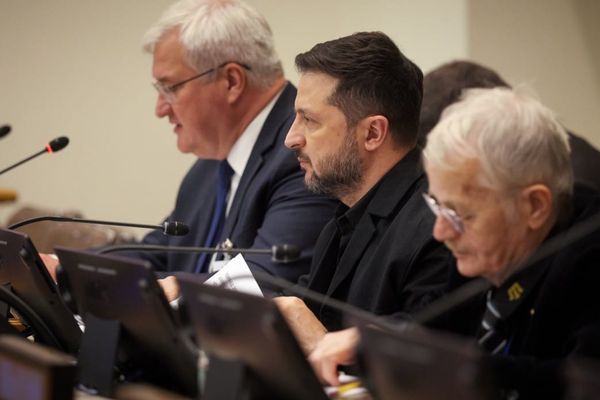
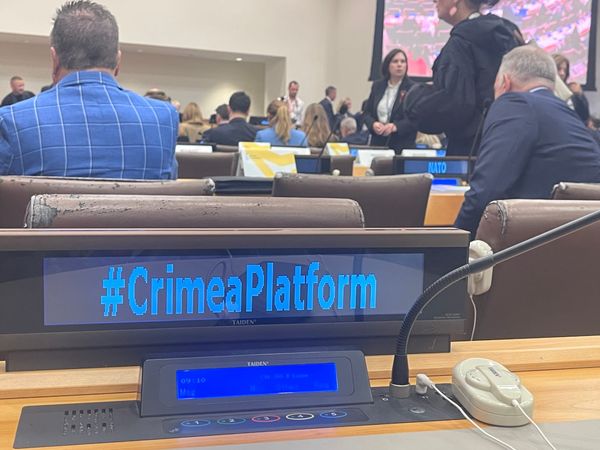
At the sixth International Crimea Platform summit, leader after leader affirmed that Crimea is Ukraine. Mustafa Dzhemilev, the leader of the Crimean Tatar people, asked the room to confront what those words have achieved so far.
Dzhemilev recalled the resolutions adopted since the platform began in 2021, documenting violations of international law and human rights under Russian occupation. Yet the occupation deepened, repression continued, and Russia’s full-scale invasion followed. His demand today was for military assistance and decisive action. The question beneath his remarks was difficult to avoid: What is the value of a declaration if it does not help protect the people it names?
ONEST gives you the context behind the headline — from inside the rooms where some of those headlines are made.
President Volodymyr Zelenskyy placed Crimea in a wider frame. Speaking at the summit during the UN General Assembly, he connected Russia’s occupation of the peninsula to insecurity in the Black Sea and the movement of grain, fertilizers, oil and diesel. With food and energy prices rising and crises elsewhere demanding attention, he argued that Crimea cannot be treated as a territorial question set apart from daily life beyond Ukraine. There can be no full return to security, he said, without protecting people under occupation, freeing prisoners and restoring respect for internationally recognized borders.
Crimea Platform | Photo: Office of the President of Ukraine
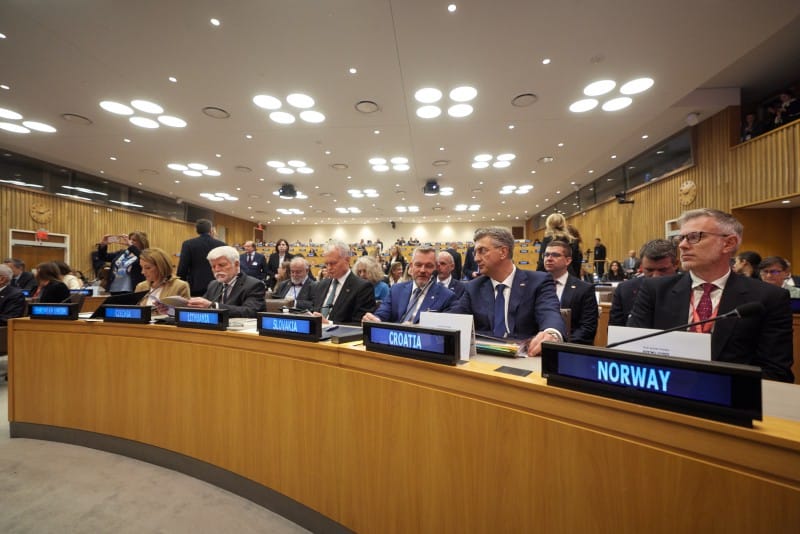
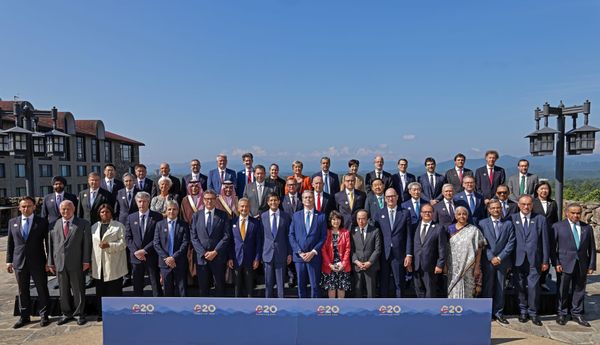
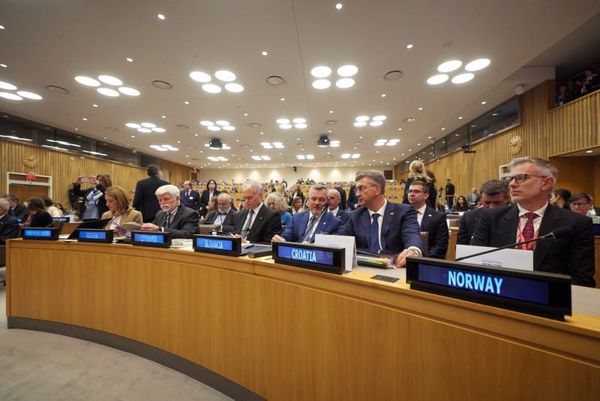
The summit drew representatives of more than 60 countries. Austria’s president said his country’s neutrality did not mean indifference and rejected a settlement that would divide Ukraine as part of a commercial bargain. Czech President Petr Pavel stressed that the question extends beyond territory to the rights, culture, language and religious life of Crimea’s Indigenous people. Baltic leaders warned against recognizing Crimea as Russian territory in any form. The participants’ final document reaffirmed support for Ukraine’s territorial integrity under the UN Charter.
That diplomatic agreement matters. So does the distance between reaffirming a principle and enforcing it. Dzhemilev’s intervention gave the summit its sharpest tension: Ukraine’s partners can agree on where the border lies while still disagreeing, or hesitating, over what they will do to restore it.
Elsewhere at the UN, Olena Zelenska convened a high-level meeting of first ladies and gentlemen on societal resilience. It continued the conversation begun at their sixth summit in Kyiv in August, where participants examined how people and institutions survive prolonged crises. At the New York meeting, speakers from Austria and Belize spoke about dialogue, human connection and community as sources of strength.
The two gatherings approached Ukraine’s war from different directions. The Crimea Platform focused on occupation, borders and the decisions governments must make. The first spouses’ meeting focused on what allows people to keep living and caring for one another while those decisions remain unresolved.
Both offered a fuller measure of support for Ukraine. Resilience helps people withstand the consequences of war. Dzhemilev’s appeal was a reminder that they should not be asked to withstand them indefinitely.
Olga Nesterova is a journalist and founder of ONEST Network, a reader-supported platform covering U.S. and global affairs. A former White House correspondent and UN diplomat, she focuses on international security and geopolitical strategy.