Armed Agents at Voters’ Doors. A Court Says There Are Limits.
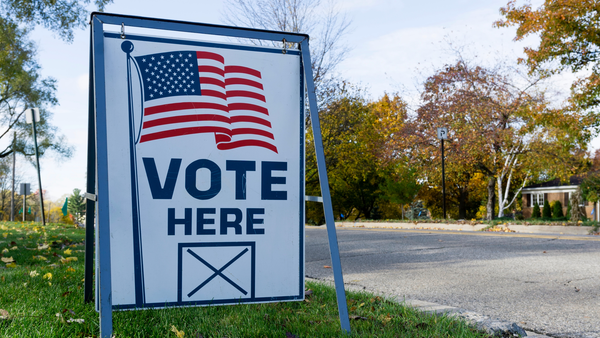
Days before the U.S. midterm elections, a federal judge restricted a DHS voter-fraud operation involving armed agents and flawed citizenship data. I asked Jessica Marsden of Protect Democracy what the ruling means for voter intimidation and what voters should do if they encounter something that makes them afraid

What You’re Helping to Build: The Simply Put Documentary Slate
Politics may dominate the headlines, but it is never the whole story. Behind every policy, institution, product, tradition or cultural moment are people, systems, history, economics, design choices and decisions most of us rarely get to see. And nuance matters. That is where Simply Put. is going next. We’reLatest Articles
The Daily | October 26, 2026
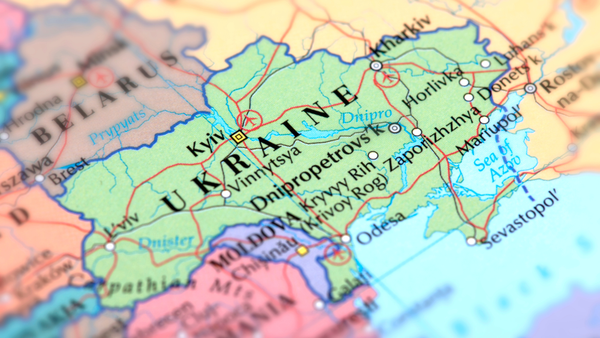
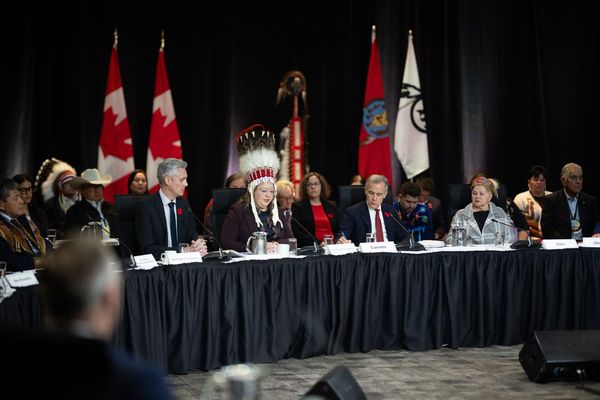
Good evening, Ukraine is asking for tangible results from the next negotiations: protection for energy infrastructure, secure maritime trade, prisoner exchanges and a path to decisions by leaders. Moscow is pursuing a much wider discussion about Europe’s security order. Israel votes tomorrow amid reports that Netanyahu sought another strike
Who Does the Ocean Belong To?
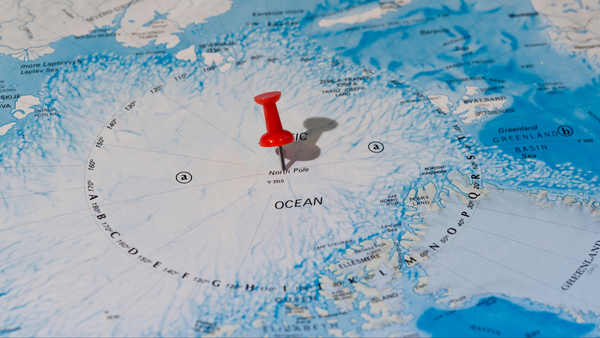
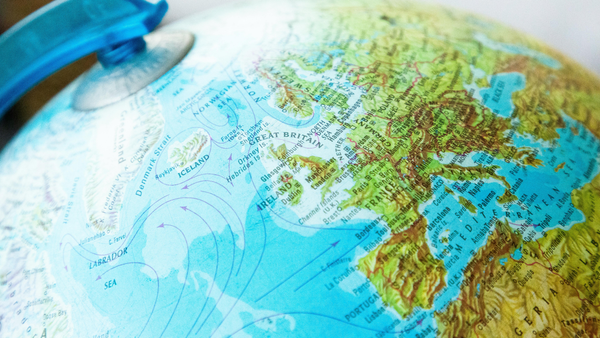
The ocean looks open and borderless. International law sees layers: territorial waters, economic zones, the high seas... and even a different legal regime for the seabed underneath. Look at a map and the answer seems simple: countries own their land, and the ocean is everything in between. Legally, it is
Armed Agents at Voters’ Doors. A Court Says There Are Limits.
Days before the U.S. midterm elections, a federal judge restricted a DHS voter-fraud operation involving armed agents and flawed citizenship data. I asked Jessica Marsden of Protect Democracy what the ruling means for voter intimidation and what voters should do if they encounter something that makes them afraid


The Daily | October 19, 2026
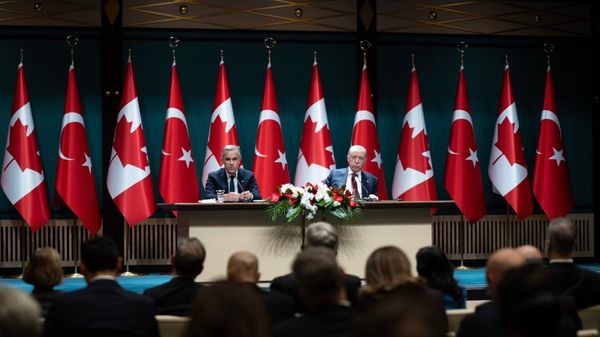
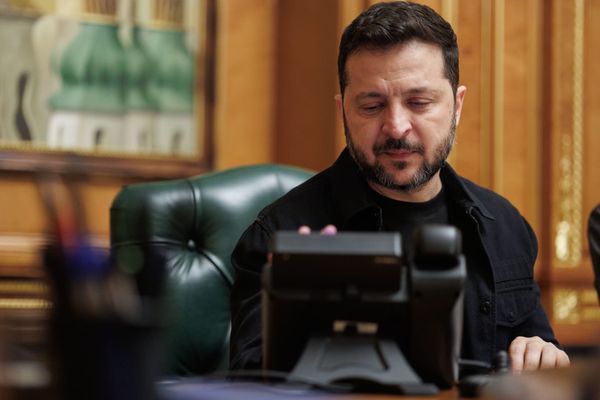
Good evening, Tonight: Russia kills families in a park near Kharkiv as Washington waives new sanctions; Canada mourns four soldiers killed during training; and the United States pursues commercial agreements in Central Asia. Here’s what mattered today. 1. Russia strikes civilians while Washington holds back new sanctions A RussianLatest Articles
The Daily | October 26, 2026
Good evening, Ukraine is asking for tangible results from the next negotiations: protection for energy infrastructure, secure maritime trade, prisoner exchanges and a path to decisions by leaders. Moscow is pursuing a much wider discussion about Europe’s security order. Israel votes tomorrow amid reports that Netanyahu sought another strike
Who Does the Ocean Belong To?
The ocean looks open and borderless. International law sees layers: territorial waters, economic zones, the high seas... and even a different legal regime for the seabed underneath. Look at a map and the answer seems simple: countries own their land, and the ocean is everything in between. Legally, it is
Armed Agents at Voters’ Doors. A Court Says There Are Limits.
Days before the U.S. midterm elections, a federal judge restricted a DHS voter-fraud operation involving armed agents and flawed citizenship data. I asked Jessica Marsden of Protect Democracy what the ruling means for voter intimidation and what voters should do if they encounter something that makes them afraid