Putin Seizes Control of Japanese Tobacco Assets as Relations With Tokyo Deteriorate
Russia has placed Japanese tobacco manufacturing operations valued at up to $4 billion under state-appointed management, escalating tensions with Tokyo amid a longstanding territorial dispute and Japan's support for Ukraine.
Russian President Vladimir Putin has signed decrees transferring seven Russian subsidiaries of Japan Tobacco International (JTI) to temporary management by a Russian company, effectively stripping the Japanese manufacturer of operational control.
The affected assets are estimated to be worth between $3.1 billion and $3.7 billion.
The move is particularly significant because the Japanese government itself owns approximately 37% of Japan Tobacco, making Tokyo a major shareholder in the affected business.
JTI is one of Russia's largest tobacco manufacturers, producing brands including Winston and Camel. Despite Russia's full-scale invasion of Ukraine in 2022 and the subsequent withdrawal of numerous Western businesses, the company maintained its Russian operations, which have remained an important source of profit.
A Territorial Dispute Dating Back to World War II
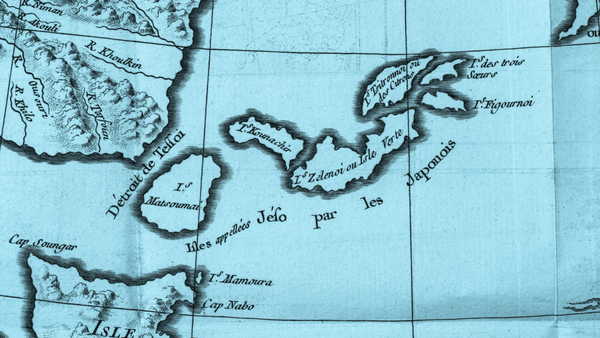
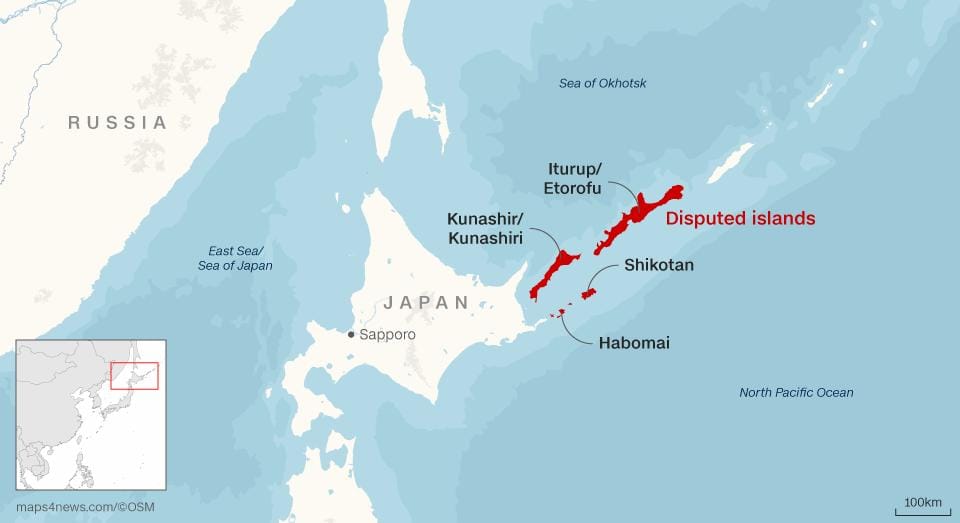
The takeover comes amid deteriorating relations between Moscow and Tokyo over four islands occupied by the Soviet Union at the end of World War II.
Known in Japan as the Northern Territories and administered by Russia as part of the southern Kuril Islands, the territory remains disputed nearly eight decades later. The disagreement has prevented the two countries from signing a formal postwar peace treaty.
Tensions intensified following Putin's August visit to Iturup, one of the disputed islands, which prompted protests from Japan.
Tokyo has also imposed sanctions against Russia over its invasion of Ukraine, further straining relations.
Japan has protested the takeover of JTI's operations and called for the decision to be reversed. The Kremlin has not publicly linked the seizure directly to the territorial dispute.
The headline is only the beginning.
From diplomatic tensions to economic decisions shaping global affairs, ONEST connects the developments, explains why they matter, and examines what comes next.
Join ONEST for independent reporting, firsthand diplomatic insights, and analysis that goes beyond the headlines.
The decrees do not formally nationalize the Japanese assets. Instead, they place the businesses under Russian-appointed administrators while leaving legal ownership unchanged. In practice, however, Japan Tobacco has lost control over its Russian operations.
The decision illustrates a broader risk facing foreign companies that continued operating in Russia after 2022: remaining in the Russian market does not necessarily protect their investments from Kremlin intervention.
For Japan, the consequences extend beyond a private company's balance sheet. With the Japanese government holding a substantial stake in Japan Tobacco, the takeover introduces a direct financial dimension to an already strained diplomatic relationship.
Olga Nesterova is a journalist and founder of ONEST Network, a reader-supported platform covering U.S. and global affairs. A former White House correspondent and UN diplomat, she focuses on international security and geopolitical strategy.