KEY DEVELOPMENTS
- The United States pauses its Strait of Hormuz operation.
- A suspected hantavirus outbreak expands, with new confirmed infections linked to a cruise ship cluster.
- The U.S. political landscape shifts through primary elections, legal rulings, and growing institutional tensions.
- Canada accelerates industrial and economic defense strategies in response to U.S. tariffs.
- Ukraine continues to face sustained attacks while strengthening international partnerships and defense coordination.
- Romania’s government collapses, highlighting political instability within Europe.
- Global energy dynamics shift as Norway expands oil production and Saudi Arabia increases defense spending.
NUMBERS TO WATCH
$4.50/gallon — U.S. gas prices hit highest levels since 2022
3+ deaths — Hantavirus outbreak aboard cruise ship
70+ civilians killed — Ukraine since start of May
500+ injured — In recent waves of attacks across Ukraine
$1.5 billion — Canada’s new tariff-response funding
150 aircraft — Largest-ever order of Canadian-designed jets
126 vs 146 — China vs U.S. leader-level diplomatic visits since 2013
400,000 civilians — Target of Poland’s national defense training program
QUOTE OF THE DAY
Actor and humanitarian Richard Gere at the United Nations:
“Housing is the gateway to all other rights.”
The statement reflects a growing recognition within international policy circles that housing is not just a social issue — but a foundation for dignity, stability, and access to all other protections.
UNITED STATES
Today’s developments reflect a country navigating political pressure, institutional friction, and rapid technological change.
Politics & Elections
- In Indiana, President Trump successfully backed candidates challenging Republican lawmakers who opposed his redistricting plans. At least five Trump-supported challengers won their primaries.
- In Ohio, Vivek Ramaswamy and Amy Acton secured their party nominations and will face off in the governor’s race.
- In Michigan, Democrats maintained control of the State Senate following a special election victory.
Policy & Institutions
- Senate Republicans inserted $1 billion for a White House ballroom into an ICE spending package — despite previous statements that the project would be privately funded.
- The FDA blocked the publication of research confirming the safety of widely used COVID-19 and shingles vaccines, raising concerns about transparency.
Defense & Technology
The Pentagon is undergoing a major transformation:
- Expansion of electronic warfare aircraft programs
- Increased satellite investments (from $1.8B to over $6.2B under the Andromeda contract)
- AI integration across defense systems
- Pressure on contractors to open weapons software for interoperability
NATO officials are warning that AI integration creates serious interoperability challenges, requiring urgent policy coordination across allies.
Security & Military Activity
- U.S. forces provided “defensive overwatch” for shipping operations in the Strait of Hormuz
- Two individuals were killed in a U.S. strike "targeting narcotics trafficking routes in the Caribbean"
- Two U.S. soldiers remain missing after training exercises in Morocco
IRAN WAR
The situation has entered a delicate diplomatic phase, where escalation and de-escalation are unfolding simultaneously.
Pause in U.S. Operation
President Trump announced a pause in efforts to guide ships through the Strait of Hormuz, citing:
- “Great progress” in negotiations
- Requests from mediators including Pakistan and Saudi Arabia
However:
- The U.S. naval blockade remains in place
- The Strait remains largely closed
- Attacks on vessels continue
Diplomacy in Motion
A potential agreement under discussion includes:
- A 30-day negotiation period
- Opening the Strait
- Limiting Iran’s nuclear activity
- Gradual sanctions relief
Iran has emphasized it will only accept a “fair and comprehensive” agreement, while strengthening ties with China.
Continued Risk
- A French vessel was attacked, injuring crew members
- A tanker near the UAE was struck earlier this week
- Oil prices dropped slightly on optimism — but volatility remains high
The key reality: progress exists, but conditions for escalation remain intact.
MIDDLE EAST
The broader region reflects interconnected instability:
- Saudi Arabia increased defense spending by 26% year-over-year
- The UAE reported missile and drone threats (denied by Iran)
- Iraq faces U.S. pressure to distance itself from pro-Iran militias
- Syria disrupted a reported Hezbollah-linked assassination plot
Meanwhile, Israel continues operations in Gaza:
- At least three Palestinians killed, including a child
- Ongoing detentions linked to Gaza-bound aid flotillas
The United Nations continues to push for de-escalation and freedom of navigation in the Strait.
UKRAINE
Ukraine continues to face intensifying pressure:
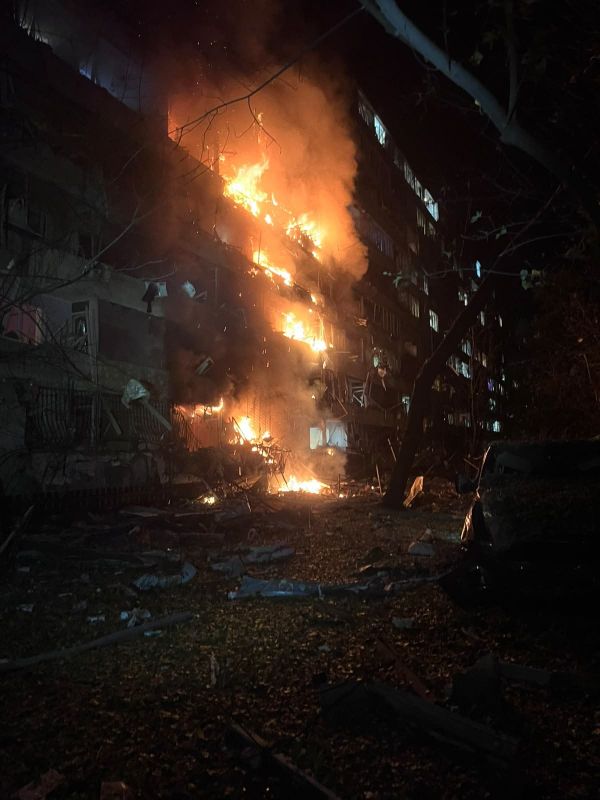
- At least 70 civilians killed and 500 injured since May began
- Continued drone strikes despite competing ceasefire proposals
Diplomatically:
- President Volodymyr Zelenskyy spoke with Azerbaijan’s President Ilham Aliyev
- Discussions focused on regional stability and next steps in cooperation
At the same time:
- Reports indicate African recruits are being misled into fighting roles in Ukraine
- Ukraine is expanding defense partnerships globally, including outreach in the Gulf
EUROPE
Romania
Romania’s government has collapsed following a no-confidence vote.
- The ruling coalition fractured over austerity measures
- Far-right parties supported the motion
- A new pro-European government is expected, but uncertainty remains
This reflects broader political fragmentation across Europe.
Poland
Poland is preparing for potential conflict:
- Training civilians in defense tactics
- Targeting 400,000 participants
- The largest such program in its history
The move reflects growing concern about Russia’s long-term intentions.
Norway
Norway is expanding oil and gas production:
- Restarting previously abandoned fields
- Issuing 70 new exploration permits
The decision reflects both the Ukraine war and the Iran crisis reshaping global energy priorities.
CHINA
New analysis highlights a key shift in global diplomacy:
- China has focused engagement on developing and “swing” states
- The U.S. has focused more on existing allies
Since 2013:
- China: 126 visits to 72 countries
- U.S.: 146 visits to 56 countries
The implication: influence is being built differently — breadth vs depth.
CANADA
Canada continues to focus on economic resilience and industrial strength.
Aerospace Breakthrough
A landmark deal:
- 150 Airbus A220-300 aircraft ordered
- Largest order of Canadian-designed aircraft in history
- Built in Mirabel, Quebec
The agreement supports:
- Thousands of jobs
- Canada’s aerospace leadership
- Advanced manufacturing capabilities
Economic Defense
Canada announced:
- $1.5 billion in support for tariff-affected industries
- A $1 billion financing program for manufacturers
- Additional support for SMEs and workforce adaptation
These measures respond directly to U.S. tariffs on steel, aluminum, and related products.
Emergency Preparedness
New investments include:
- $108 million for emergency workforce programs
- Enhanced search-and-rescue capabilities
The focus: preparing for climate-driven disasters and national emergencies.
GLOBAL DEVELOPMENTS
- Taiwan reaffirmed its global engagement despite Chinese pressure
- Japan and South Africa are expanding energy cooperation
- North Korea revised its constitution, removing reunification language
HUMANITY
A pioneer who reshaped how the world understands news.
Ted Turner, founder of CNN, has passed away.
Turner didn’t just build a media company — he transformed the very idea of news.
At a time when information was limited to scheduled broadcasts, he created 24-hour global news, making it possible for the world to watch history unfold in real time. From major conflicts to humanitarian crises, CNN became a window into events as they happened.
Beyond media, Turner was known for his philanthropic work, including major contributions to the United Nations and global initiatives focused on health, environment, and peace.
His legacy is not only in the networks he built — but in the way billions of people came to understand the world: continuously, urgently, and connected.
ONEST+
ONEST is built on independent, reader-supported reporting — free from advertising pressure and algorithm-driven priorities.
For those who want to go beyond the headlines, ONEST+ offers:
- Deep Dives
- Diplomatic Notes
- Early access to reporting
Your support sustains this work.
Join ONEST+