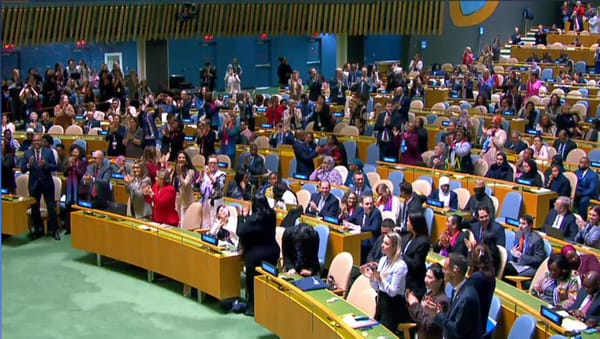
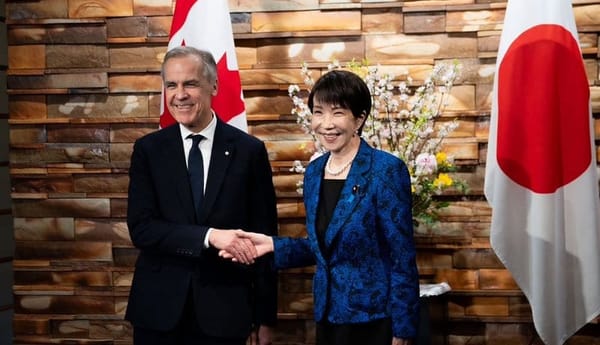
The 70th session of the UN Commission on the Status of Women (CSW70) opened this week in New York with something rarely seen in UN diplomacy:
a recorded vote instead of consensus to adopt the session’s main outcome document.
The Agreed Conclusions passed 37 in favor, 1 against (United States), with 6 abstentions. The full confirmed list of abstaining countries had not yet been publicly circulated at the time of writing.
For decades, these conclusions have traditionally been adopted by consensus, reflecting broad agreement among UN Member States on global gender equality priorities.
This year, that consensus broke.
What Triggered the Vote
Before the adoption, the United States delegation proposed eight amendments and attempted to delay or withdraw the document entirely.
The U.S. argued the text contained:
- “ambiguous language promoting gender ideology”
- commitments to sexual and reproductive health that could be interpreted as
"supporting abortion rights" - language on regulation of artificial intelligence
One proposed amendment would have introduced a formal definition of gender limited to biological sex only.
The amendment package was ultimately rejected:
1 vote in favor (United States)
26 against
14 abstentions
Afterward, the Commission moved to adopt the document through a recorded vote.
Why This Matters
Inside the UN system, consensus diplomacy is the norm.
When a vote happens, it signals that negotiations could not reconcile major political differences among Member States.
In this case, the divisions reflect a growing global debate over:
- reproductive rights
- gender identity
- the role of UN agencies such as UN Women
- digital governance and artificial intelligence.
The break from consensus illustrates how gender equality debates are increasingly tied to broader ideological shifts in international politics.
The Reality the Commission Is Addressing
Despite the political disagreement, the underlying data discussed during the opening session highlights why the issue remains urgent.
Globally:
- women hold only about 64% of the legal rights of men
- roughly 70% of countries report greater barriers to justice for women
- 54% of countries lack consent-based rape laws
- conflict-related sexual violence has increased 87% in the past two years
These statistics formed the foundation of this year’s CSW theme:
ensuring access to justice for women and girls and eliminating discriminatory laws and structural barriers.
What the Agreed Conclusions Actually Do
The adopted document introduces several policy commitments, including:
• strengthening gender-responsive justice systems
• recognizing community justice actors working at the local level
• expanding discussions on digital justice and AI governance
• improving global systems for collecting data on gender-based violence
Commission Chair Maritza Chan Valverde of Costa Rica said the text represented:
“the most balanced outcome achievable at this stage.”
A Wider Debate on Gender Equality
During the opening session, UN Women Executive Director Sima Bahous warned that progress on women’s rights remains fragile.
Women globally still enjoy only a fraction of the legal protections available to men.
At the current pace, closing the global legal equality gap could take centuries.
Civil society representatives also raised concerns about:
- shrinking civic space
- increasing digital harassment and violence against women
- growing political resistance to gender equality policies.
What Comes Next
The vote does not end the debate.
Instead, it may shape the tone of negotiations throughout the two-week CSW session.
Possible outcomes include:
More procedural battles.
Delegations may increasingly push amendments or recorded votes instead of consensus agreements.
Clearer geopolitical blocs.
Countries may align more strongly around competing interpretations of gender equality policies.
Funding pressures on UN Women.
The U.S. withdrawal from the agency could influence future financing debates.
Bottom Line
The Commission on the Status of Women remains the world’s largest annual gathering focused on gender equality policy.
But this year’s opening vote revealed something deeper:
The global debate is no longer only about how to implement gender equality.
It is increasingly about how the concept itself is defined.