Reports indicate the United States will grant an open-ended sanctions exemption to the German subsidiaries of Russian oil major Rosneft, allowing key refineries under German trusteeship to continue operating.
The exemption applies to Rosneft Deutschland and RN Refining & Marketing, which have been under German federal trusteeship since 2022 after Berlin moved to separate management of the assets from the Russian parent company.
According to Germany’s economy ministry, Washington issued a “Letter of Comfort” confirming the entities are considered operationally independent from Rosneft. The reported exemption would replace a temporary waiver that had been set to expire in April.
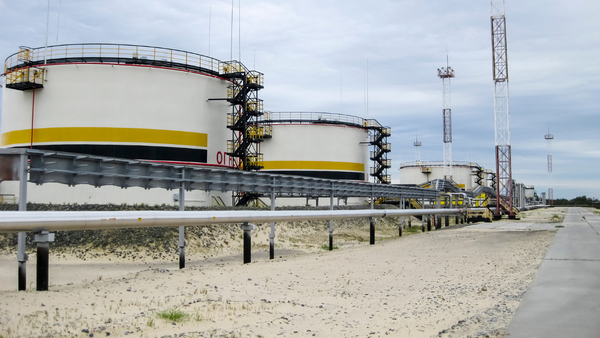
The decision secures operations at several major refineries, including the PCK Schwedt refinery, which supplies roughly 90% of the fuel for Berlin and Brandenburg and accounts for about 12% of Germany’s fuel supply.
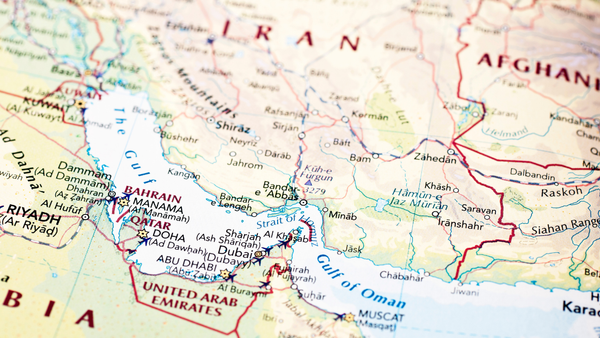
The move comes as global energy markets face renewed stress amid escalating tensions in the Middle East and disruptions to shipping routes through the Gulf.
ONEST Take
The reported waiver highlights the structural tension between sanctions policy and energy security.
Despite efforts to reduce dependence on Russian energy since 2022, parts of Europe’s fuel infrastructure remain tied to assets historically owned by Russian companies. Maintaining stable fuel supplies has required regulatory flexibility allowing these facilities to continue operating under European control.
As global energy markets tighten due to the Middle East crisis, the broader dynamic becomes clearer: geopolitical supply shocks often reshape energy flows in ways that sanctions alone cannot fully control — and in the current environment, that dynamic may ultimately benefit Russian energy exports.