The Daily | October 9, 2026
What mattered today, before tomorrow’s headlines.

– 7 min read

What mattered today, before tomorrow’s headlines.

Good evening,
Washington opened a six-month sanctions exemption for Russian diesel after Trump’s call with Putin, without an accompanying commitment to stop attacks on Ukraine. Hours after Navi Pillay received the Nobel Peace Prize, the United States sanctioned the International Criminal Court itself. China and the EU announced a preliminary trade understanding, while Hurricane Isaias approached the U.S. Gulf Coast.
Here’s what mattered today.
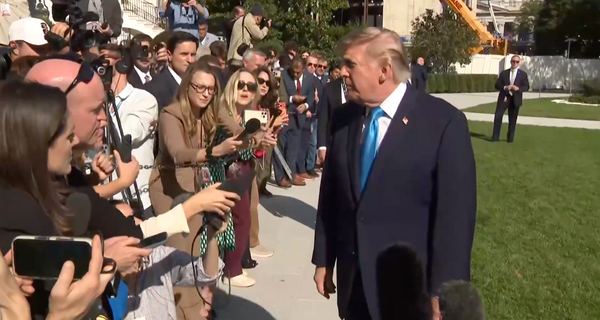
Following a call with Putin, Trump announced that Russia would supply millions of tons of diesel to the American and global markets.
The announced schedule is:
These are announced supply commitments, rather than completed deliveries. Together, they amount to approximately 4.8 million tons.
OFAC issued General License 135, authorizing transactions involving the sale, delivery, offloading and importation of Russian-origin diesel — including imports into the United States — through 12:01 a.m. Eastern Daylight Time on April 7, 2027.
The license provides relief under the two specified Russia sanctions regimes. It does not lift every restriction on Russia, and it excludes debits to U.S.-held accounts belonging to Russia’s central bank, National Wealth Fund and finance ministry. Crucially, its text contains no condition requiring Russia to stop attacking Ukraine.
What Russia is actually promising
Spread across roughly month-long periods, the first three quantities translate to approximately 75,000, 125,000 and 250,000 barrels a day, depending on diesel density and delivery timing. Those are useful scale comparisons, not delivery dates specified in the agreement: Trump placed the million-ton installment “immediately thereafter,” without naming December.
Russia has historically exported substantially more diesel. Energy Intelligence reported exports of about 500,000 barrels a day in September 2025. The initial promised volumes therefore represent a partial restoration of an established export business, rather than a new source of production.
There is also evidence that Moscow was already considering reopening exports. On October 2, Deputy Prime Minister Alexander Novak said Russia could partially resume diesel exports if production generated a surplus. But that statement was conditional: persistent Ukrainian strikes had disrupted refining, and Russia’s restrictions were extended through October.
That distinction matters for evaluating the bargain. Putin has obtained U.S. sanctions relief for a revenue-generating activity Russia already wanted to resume. The question is what Washington obtained beyond the fuel commitment and whether those barrels are additional to supplies that would otherwise have reached buyers.
Trump has blamed Ukrainian refinery attacks for diesel price increases. Those attacks have affected supply, but they are part of a broader disruption that primarily includes the U.S.-Israeli war with Iran and attacks on regional shipping.
Trump has already reportedly pressed Ukraine to stop attacking Russian refineries. The diesel agreement gives Washington a further incentive to seek restraint from Kyiv, without requiring reciprocal Russian restraint in the published license. Ukraine’s dependence on externally supplied communications adds vulnerability, although no Starlink threat tied to this agreement has been established as of yet.
What the April deadline does and does not tell us
The exemption gives Russian diesel transactions a legal window extending through winter and into spring. Refinery repairs, production recovery, transport and domestic demand will affect Russia’s ability to fulfill the announced volumes.
However, the license does not explain why April 7 was chosen. The date could have been specifically selected to give Russia time to repair refineries.
Russia’s domestic priorities remain directed toward war
Russia’s draft 2027 budget allocates 17.1 trillion rubles to defense, approximately 27% above the amount previously planned for that year.
Against earlier plans, social-policy funding is being reduced by 7%, healthcare by 6.8% and education by 6%. Social policy includes pensions, veterans’ payments and maternity benefits.
Russia has also raised its authorized military establishment to 1.55 million service members.
The combination is significant: Moscow is expanding its military establishment and prioritizing defense spending while receiving a new opportunity to earn export revenue.
Zelenskyy’s response: reciprocal de-escalation, rather than unconditional relief
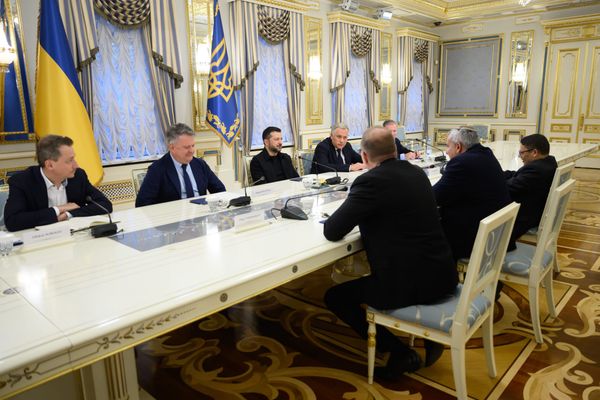
Zelenskyy said a bipartisan U.S. congressional delegation visiting Kyiv asked what would be needed to end the war. His answer was sanctions, support for Ukraine’s defense and pressure on Russia. He argued that the Trump-Putin conversation was moving in the opposite direction.
He pointed to this week’s destruction in Pryluky, the bombing of ordinary city buses in Kramatorsk and attacks on the infrastructure sustaining Kyiv, Dnipro, Kharkiv, Odesa and other cities. He also criticized recent European decisions to remove sanctions from Russian oligarchs, arguing that relief had been followed by further attacks.
Zelenskyy assessed Russia as weaker on the battlefield than at any other point this year and said Putin was using civilian terror and private negotiations to obtain time and relief from pressure.
Ukraine’s proposed alternative is specific: it would stop striking Russian refineries if Russia stopped destroying Ukrainian energy infrastructure. Zelenskyy said Washington already knows this position and has sufficient leverage to pursue a reciprocal arrangement.
His central objection was that easing sanctions without clear, lasting de-escalation allows Russia to earn more while continuing the war. He warned that fuel deliveries would not substitute for commitments protecting Ukrainian lives.
Why it matters: The exemption changes the incentives around the war. Russia receives permission to earn revenue before demonstrating restraint, while Ukraine is being asked to absorb continued attacks. Lower diesel prices may benefit consumers, farmers and transport businesses, but the security cost depends on what Moscow is required to do in return.
Watch next: Actual shipments, buyers and payment arrangements; whether the exemption is modified or conditioned; and whether Washington pursues Ukraine’s proposal for reciprocal protection of energy infrastructure.